
Traditional architecture is alive and well in Lahore. A photo essay of Kamil Khan Mumtaz’s greatest works.
Some years ago, my colleague Ben Southwood sent me a handful of grainy online pictures showing some recent buildings in Pakistan. I was struck by the assurance of the designs and the quality of the materials, craftsmanship, and detailing. They seemed to be the work of one Kamil Khan Mumtaz, a Pakistani architect widely admired in his home country but almost invisible abroad. I wondered whether Mumtaz might be the world’s best architect, overlooked because global architecture magazines rarely do photoshoots in Lahore. Last year, I met his assistant Sohaib Ahmed at a conference and immediately entreated him to send Works in Progress any photographs he had of the practice’s work. With Mumtaz’s support, Sohaib prepared a portfolio for us, most of it never before seen outside Pakistan.
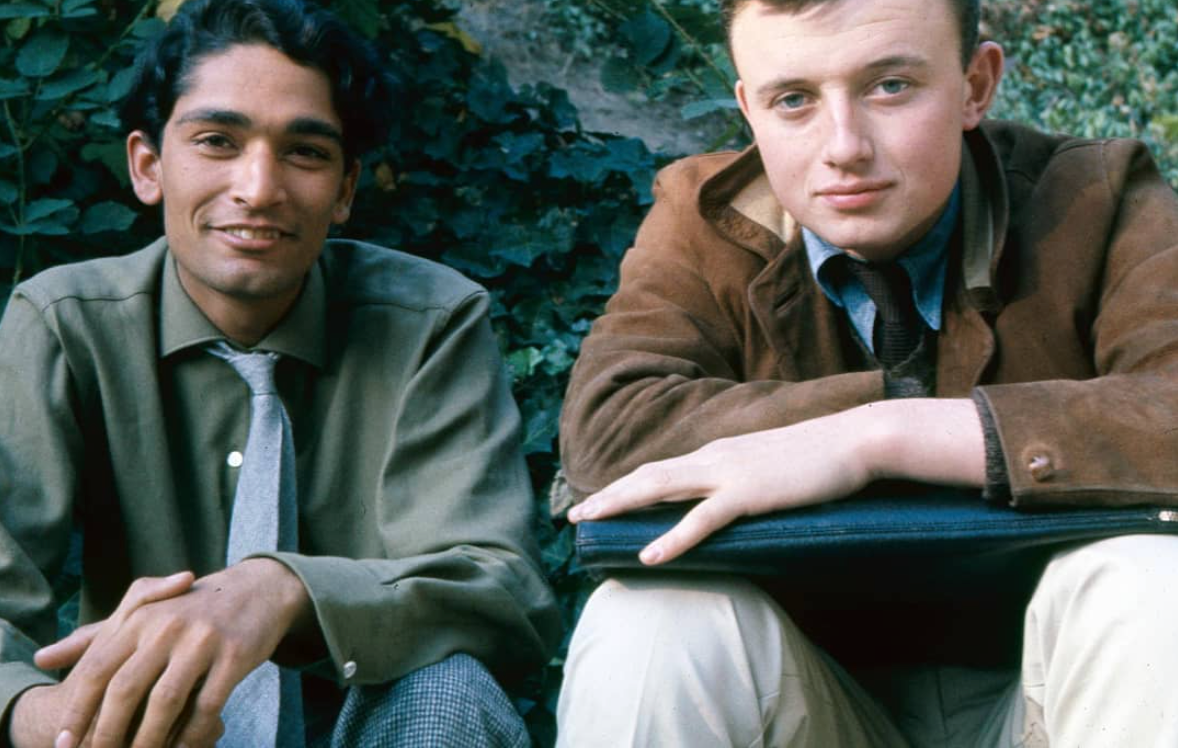
Kamil Khan Mumtaz was born in Calcutta in 1939 and grew up in what became Pakistan, taking British A-levels at Lahore’s elite Aitchison College. He then moved to London to study at the Architectural Association. Although he had never previously left South Asia, Mumtaz immediately felt at home in England. ‘It seemed completely familiar. I didn’t feel like a stranger at all’, he recalled in an interview with the historian Chris Moffat. ‘I think this is because of having been brought up on essentially English books, in English schools. So, the whole thing was like, “I know this place”.’ Mumtaz enjoyed his studies at the Architectural Association, which taught a standard modernist approach that Mumtaz accepted unquestioningly: ‘I just simply took it hook, line and sinker, and swallowed the whole thing.’
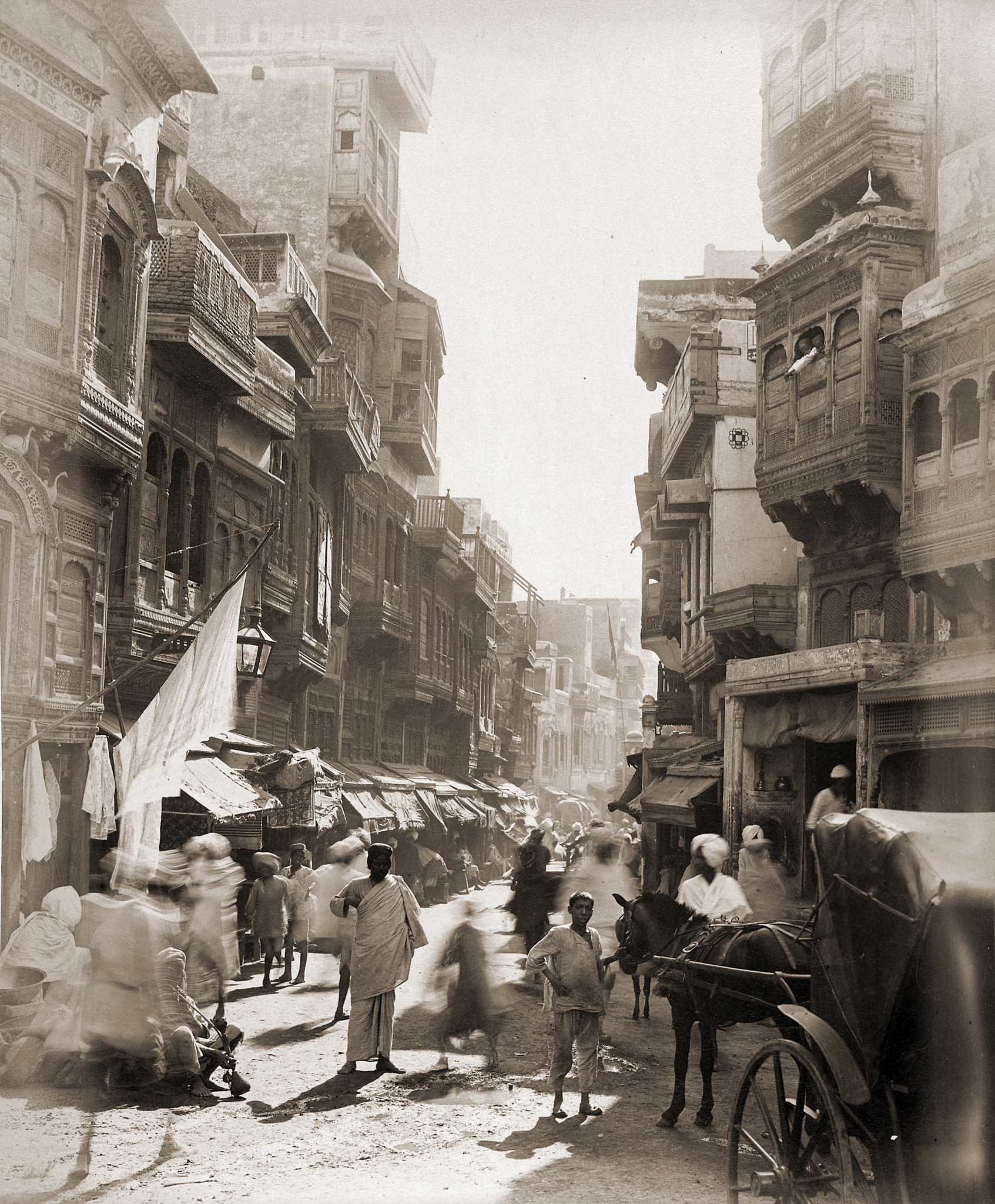

Mumtaz returned to Pakistan in 1966 and began practicing as an architect. At around the same time, he became a communist activist, on account of which he was twice imprisoned by the military dictatorship. He remained resolutely modernist, although he acquired special interest in adapting modernism to the local climate and locally sourced building materials. He also became involved in architectural conservation. In the late 1970s, he prepared a report on the ancient Walled City of Lahore, highlighting its enormous heritage value and arguing for its preservation. ‘Our own bureaucrats only insisted that we should pull down the whole mess anyway, and build new, modern infrastructure and high-rise buildings, et cetera’, Mumtaz remembers. The Walled City was ultimately saved, and parts of it are now a UNESCO World Heritage Site.
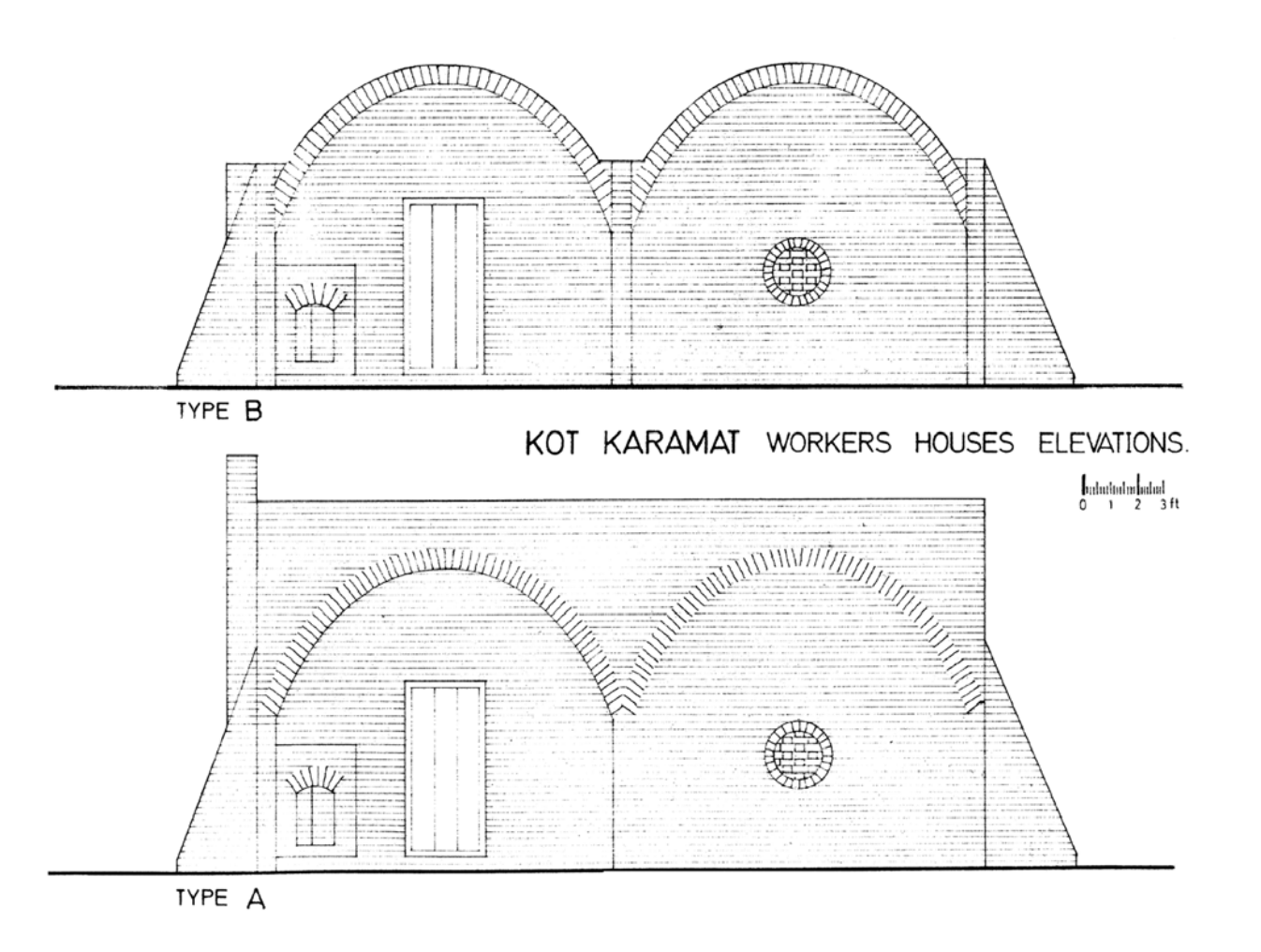
Through the 1970s, Mumtaz began to question his approach. ‘I had this growing, nagging fear that I wasn’t communicating with my audience, as a visual artist or as an architect. This grew on me, almost like an obsession.’ In 1980, the Iranian architect Nader Ardalan gave him a copy of his book The Sense of Unity: The Sufi Tradition in Persian Architecture. Mumtaz initially paid no attention: ‘Flipping through it, I thought, “Oh yeah, this is traditional Iranian architecture, who cares!” I was totally uninterested.’ But eventually, frustrated by the sense that ‘I didn’t know the language of my own people’, he began to read. ‘From page one, it was mind-blowing. Absolutely. I thought, “My god, what have I been looking for? This is what I’ve been missing!” ... It shattered all of the beliefs I had, being a Marxist, a materialist, an atheist, a modernist.’
In the decades since, Mumtaz has worked to revive the older architectural traditions of Pakistan, and especially of Lahore, his home city. He has built a wide range of buildings, including homes, offices, mosques, and schools. His work has been received with warmth in Pakistan, though also with surprise. ‘I’ve found that there is a huge reservoir of desire, sympathy, and love for our traditional values, forms, architecture, and culture, altogether. But there’s a general kind of impression that these things can’t be done any more, there are no craftsmen who can do this.’
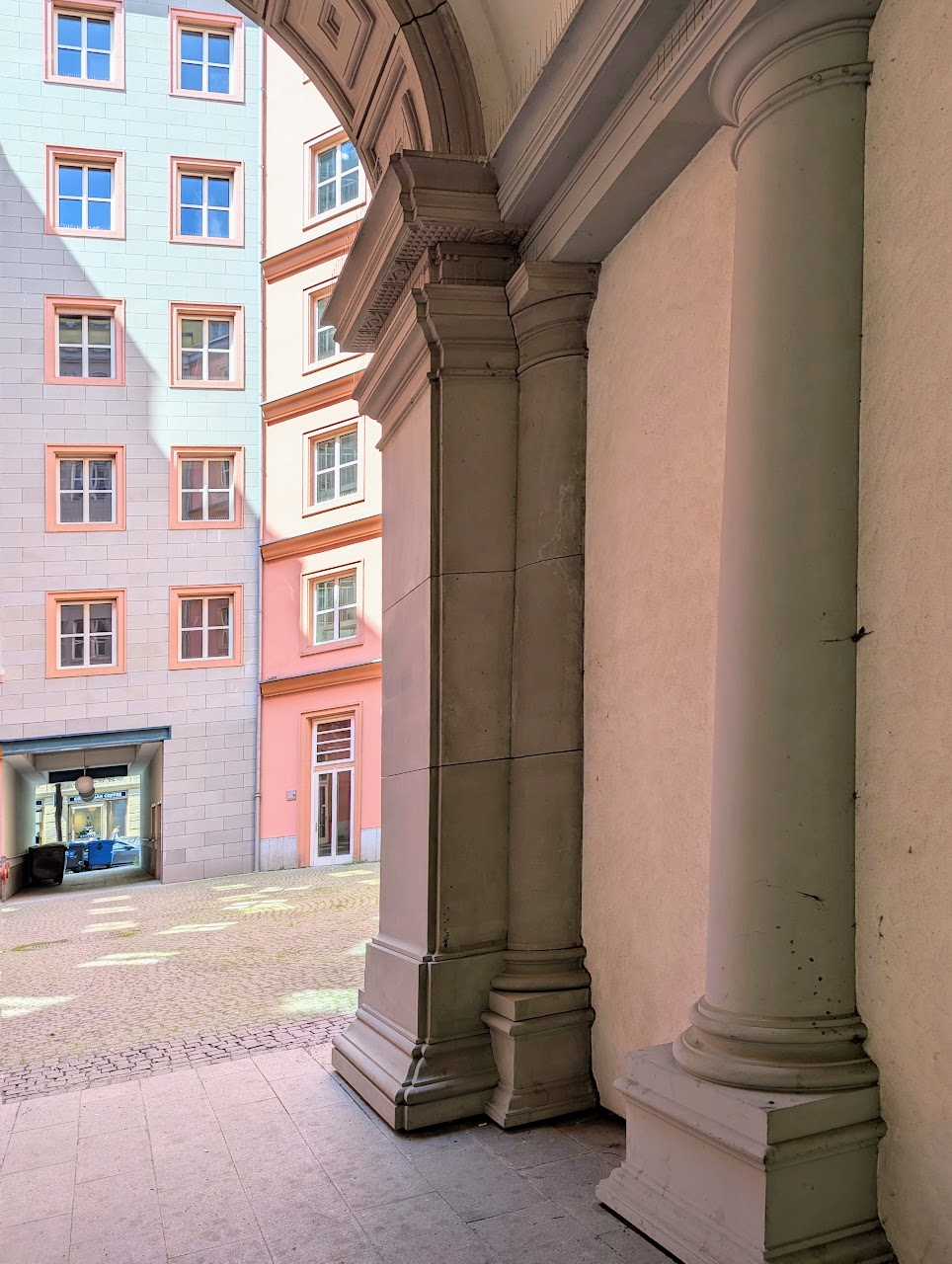
The loss of craft skills is a problem for traditional architecture everywhere. Some elements of traditional architecture have been prefabricated in factories for centuries, but even then, skill is needed for installation. Without skilled craftspeople, important details are often badly executed, making buildings look strange or clumsy. This problem also exists in Pakistan, but its later industrialization meant premodern craft traditions had not quite vanished when Mumtaz began work. Mumtaz recalled that, when searching for skilled craftsmen, ‘immediately, you come into contact with very small remnants of these families, hereditary craftsmen, and so the relationship grows.’
Mumtaz’s work has become steadily more technically sophisticated as he and his craftsmen have built up expertise. ‘Together we have been able to rediscover a number of the practices that had become lost. Certain types of brickwork, the flat dome, the muqarnas [ornamental vaults], many things like this that hadn’t been done. As they tell me, “This has not been done for 300 years!” So, it was a great experience, a voyage of discovery, so much that we learnt from each other.’
It is my great pleasure to introduce our readers to one of the most skilled and thoughtful architects working today.
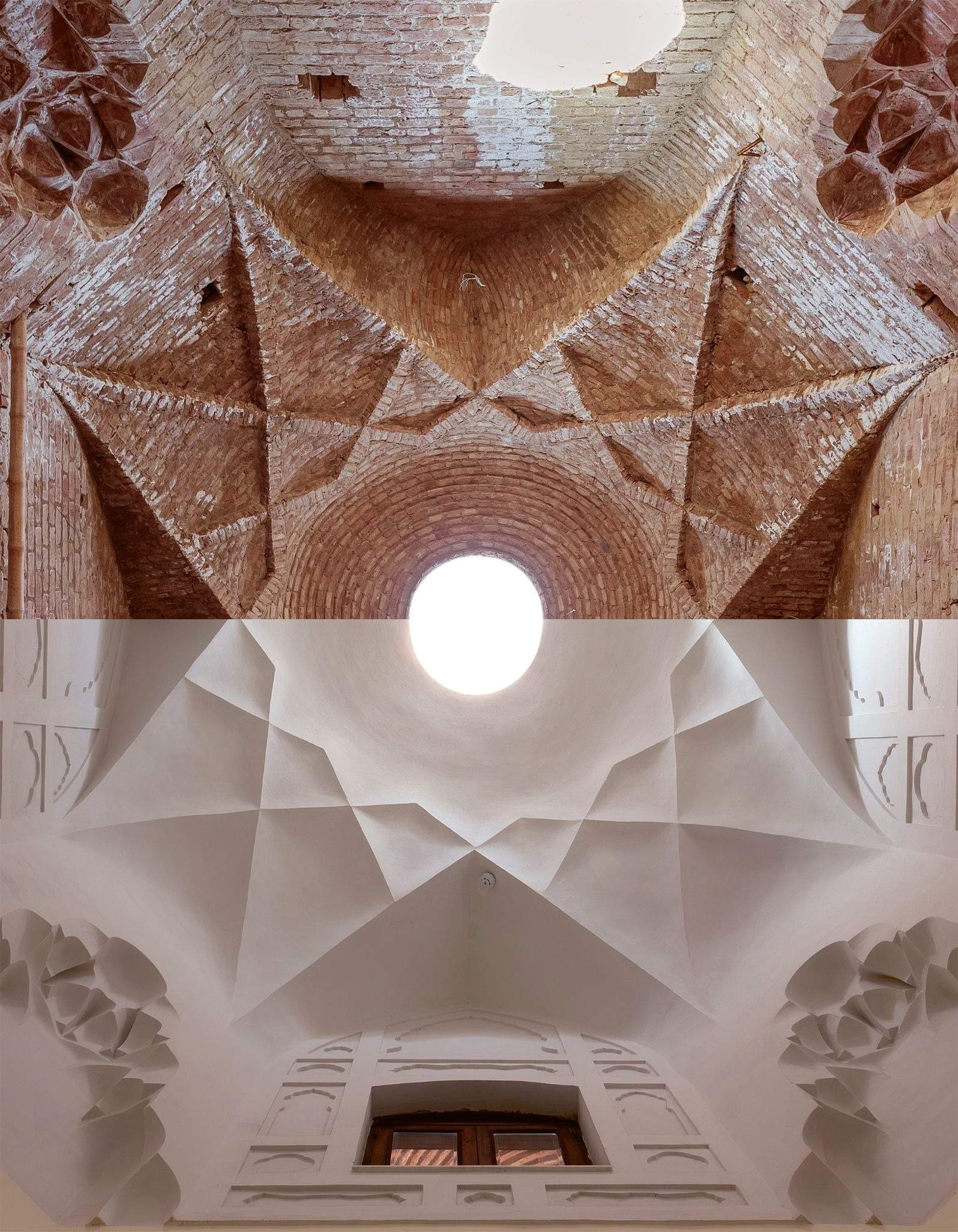
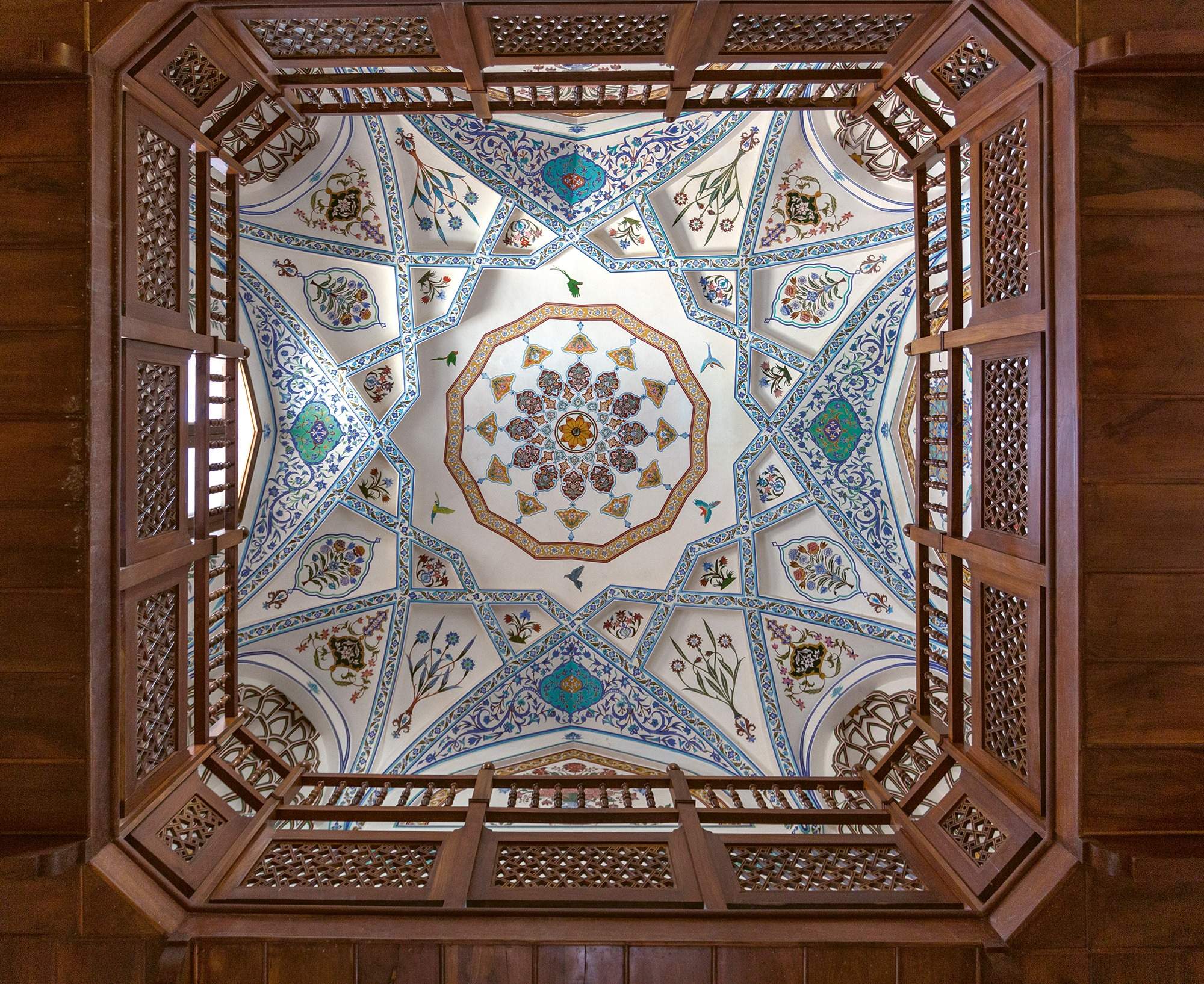
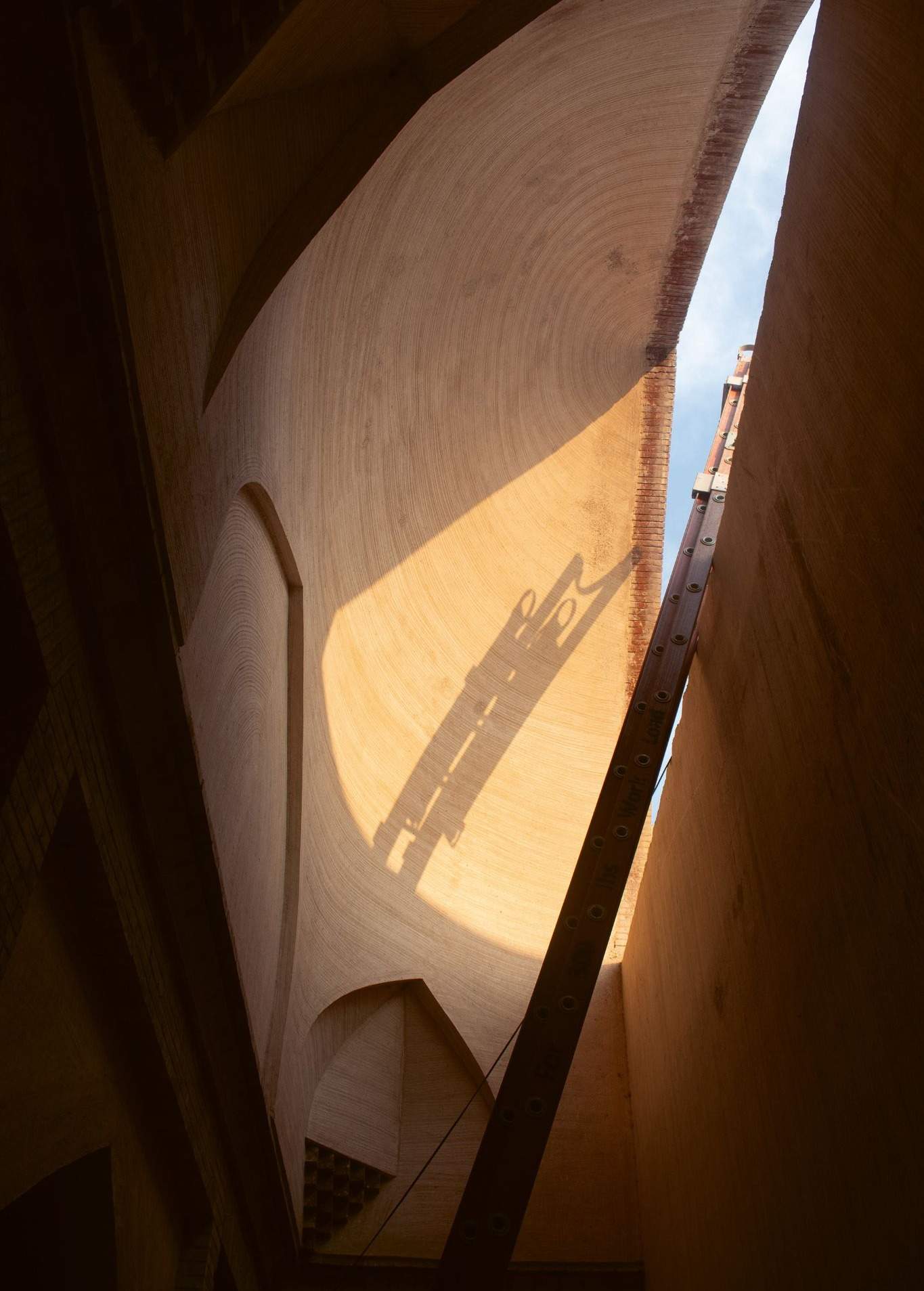
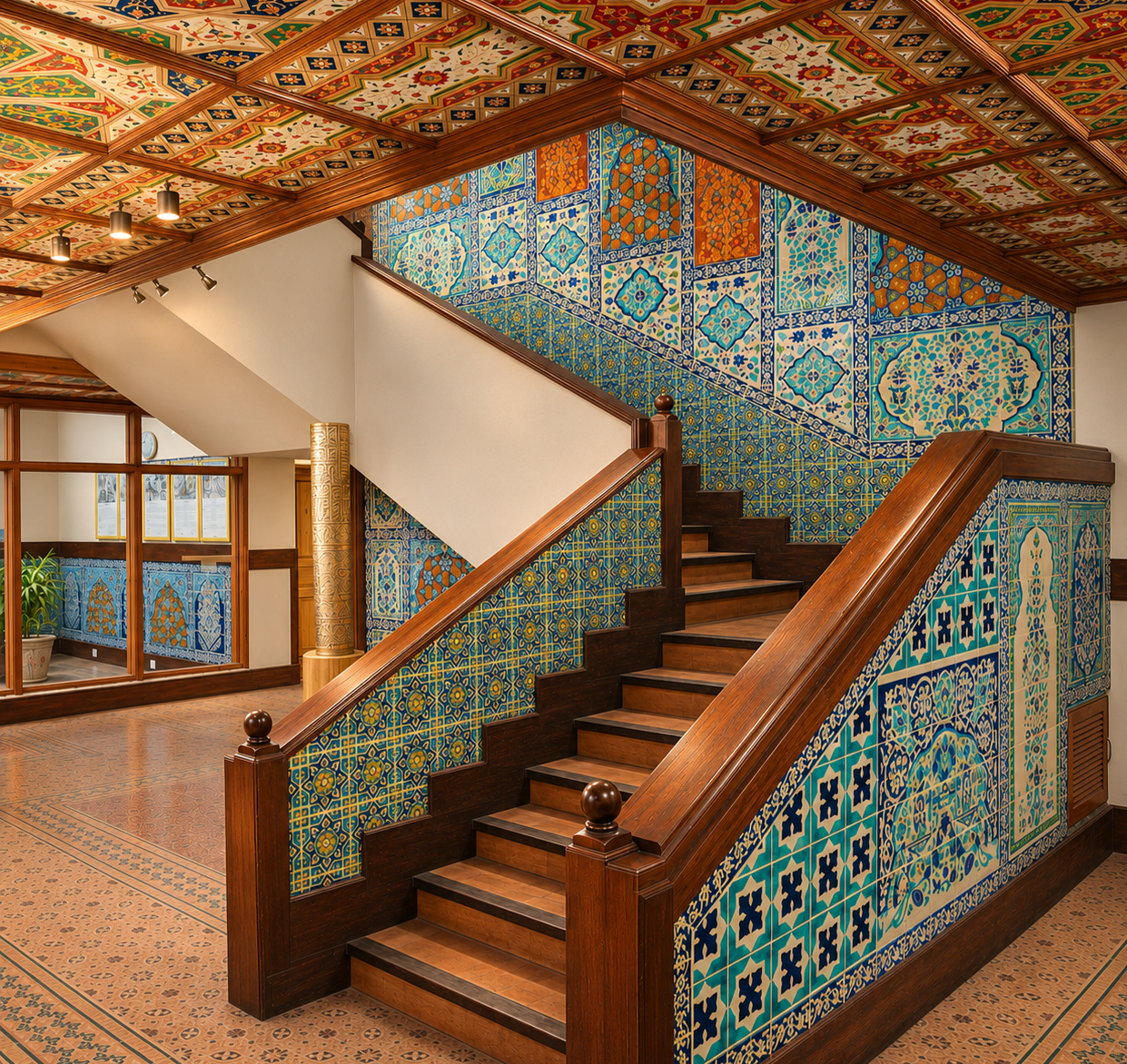
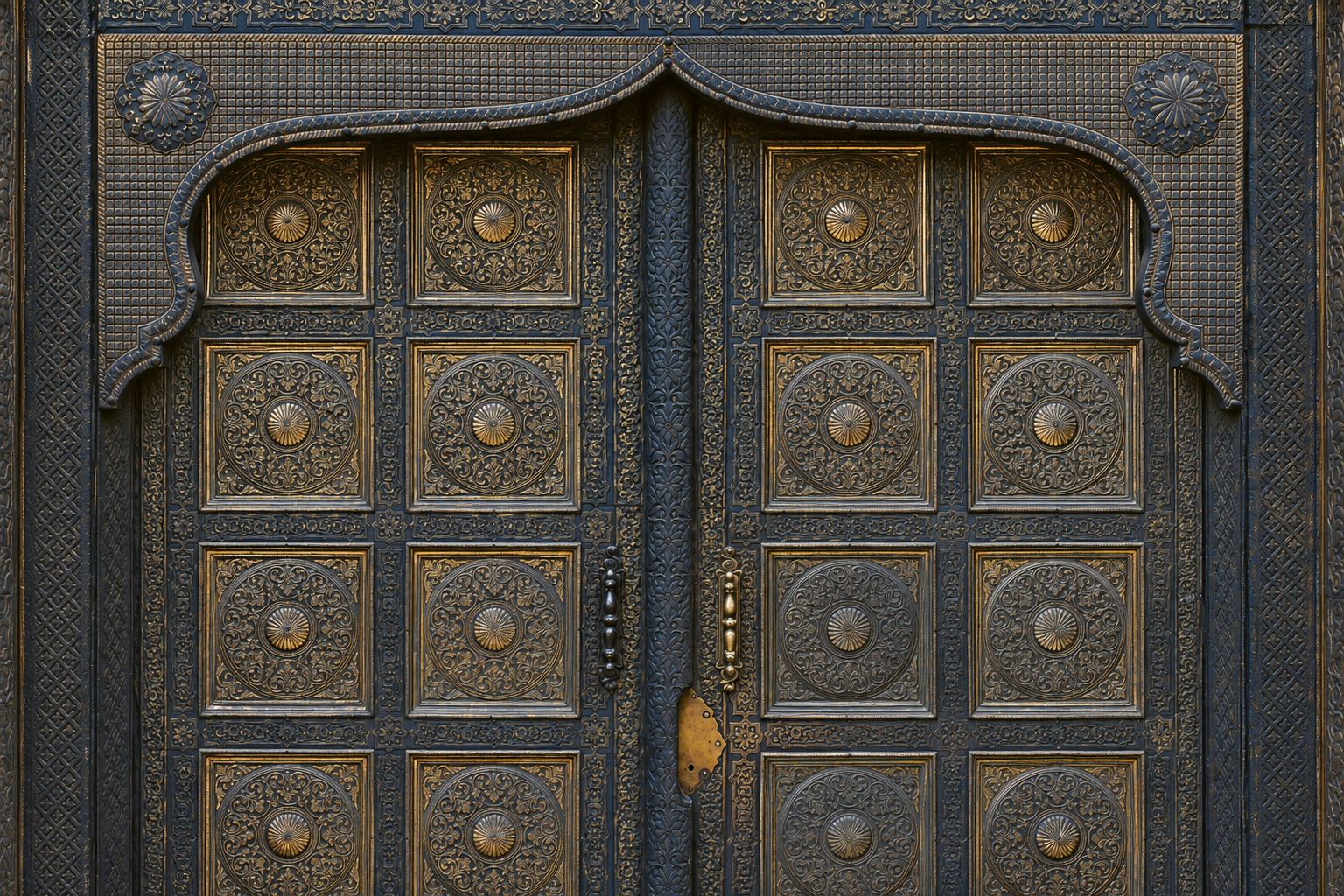
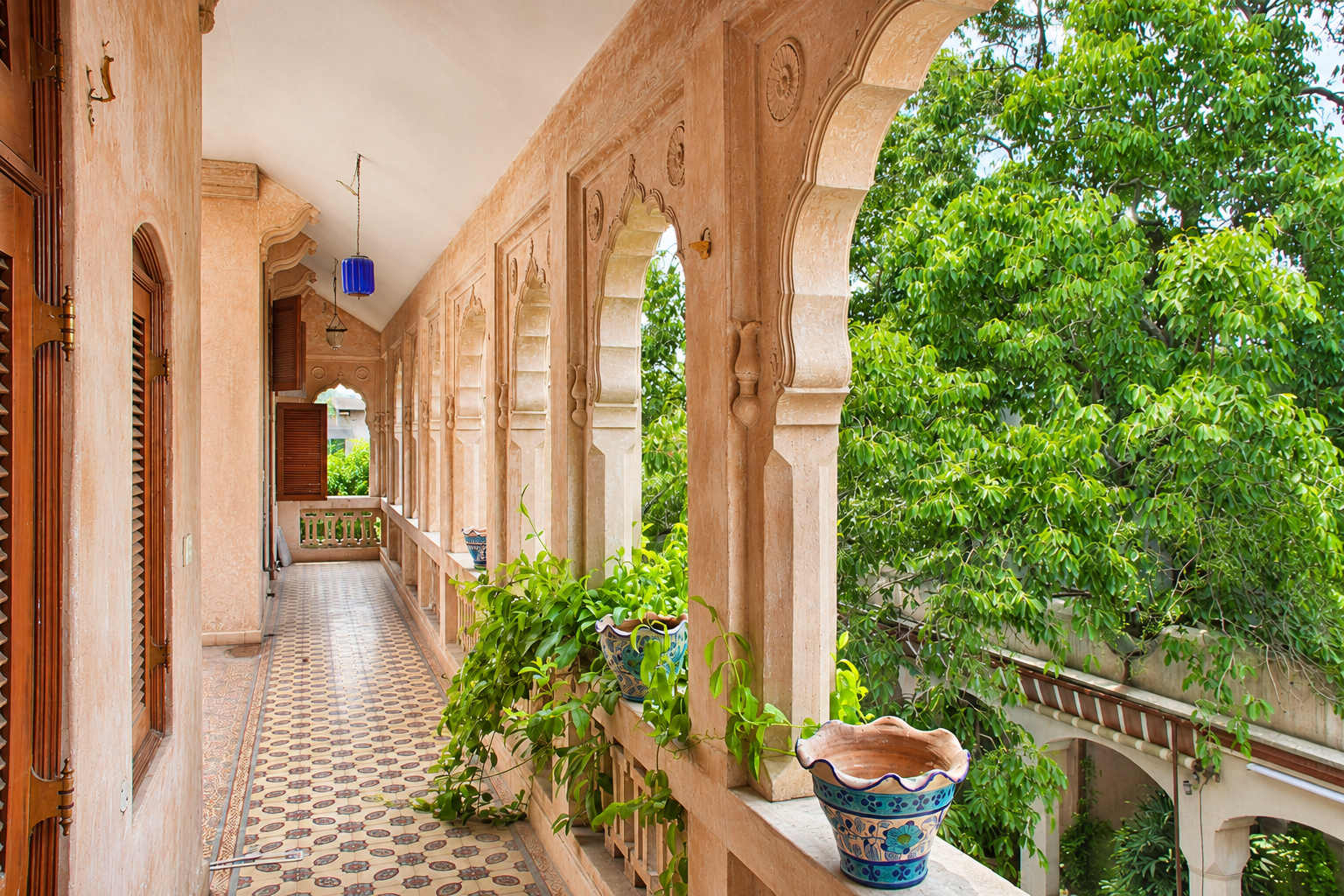
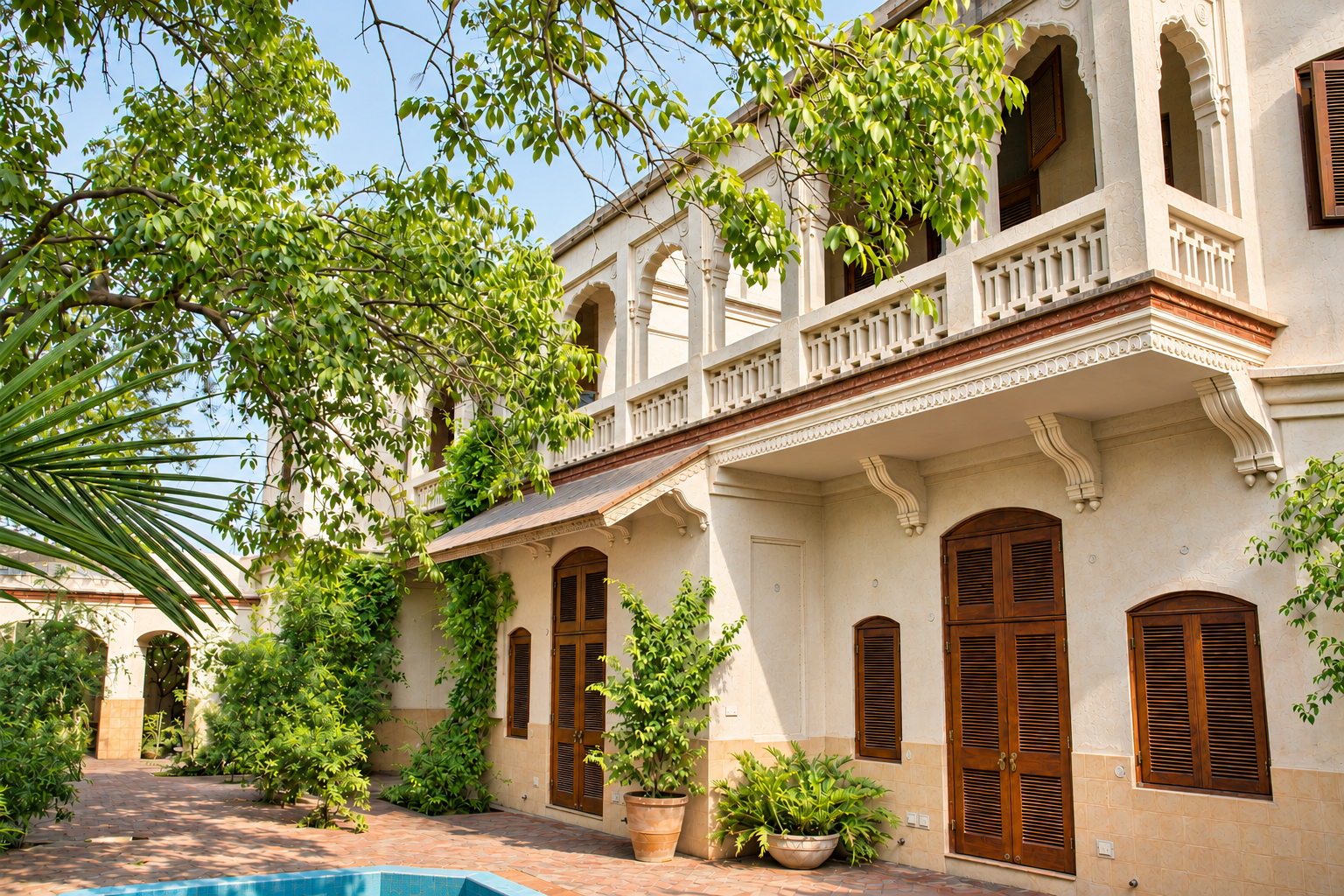
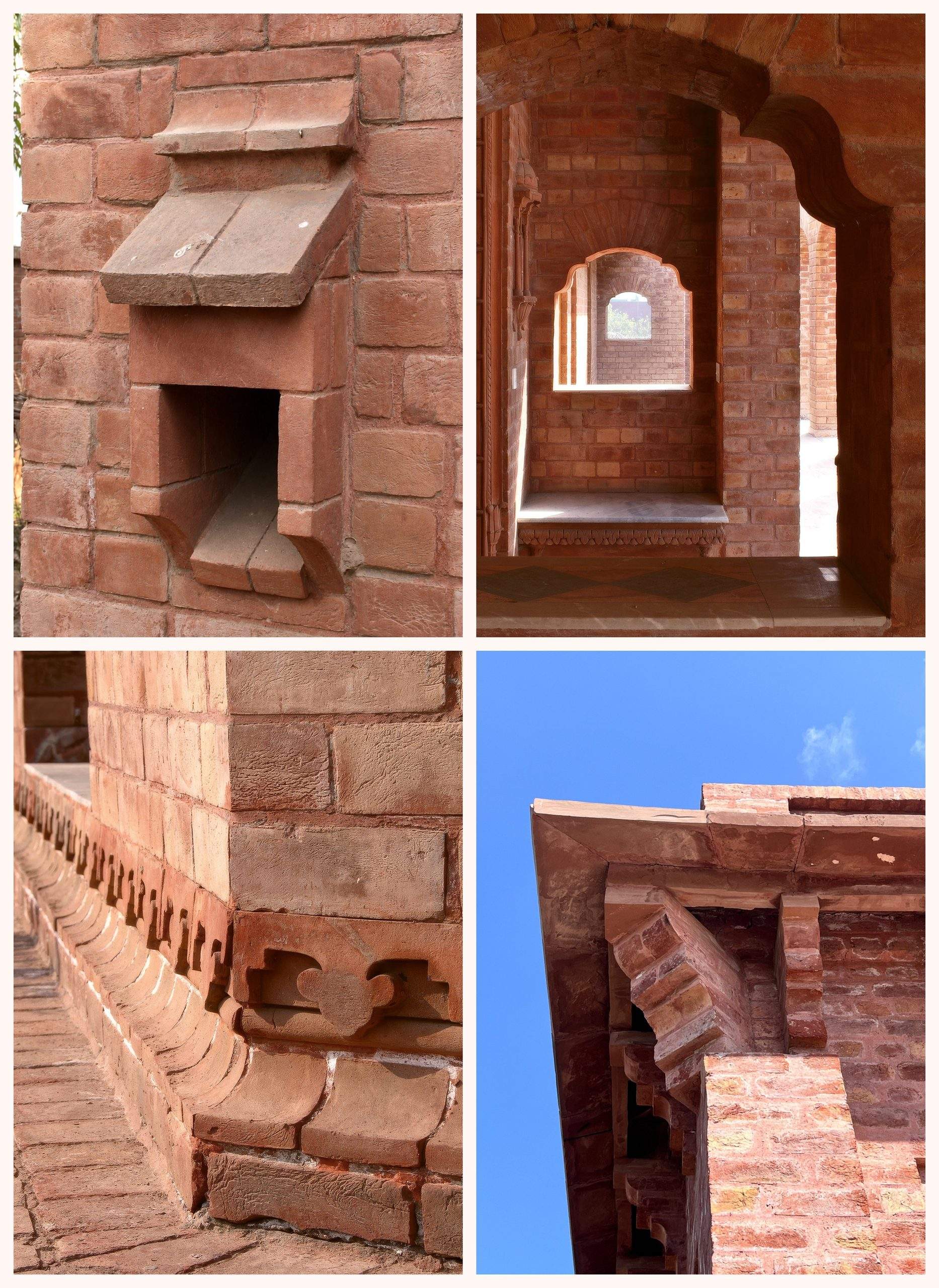
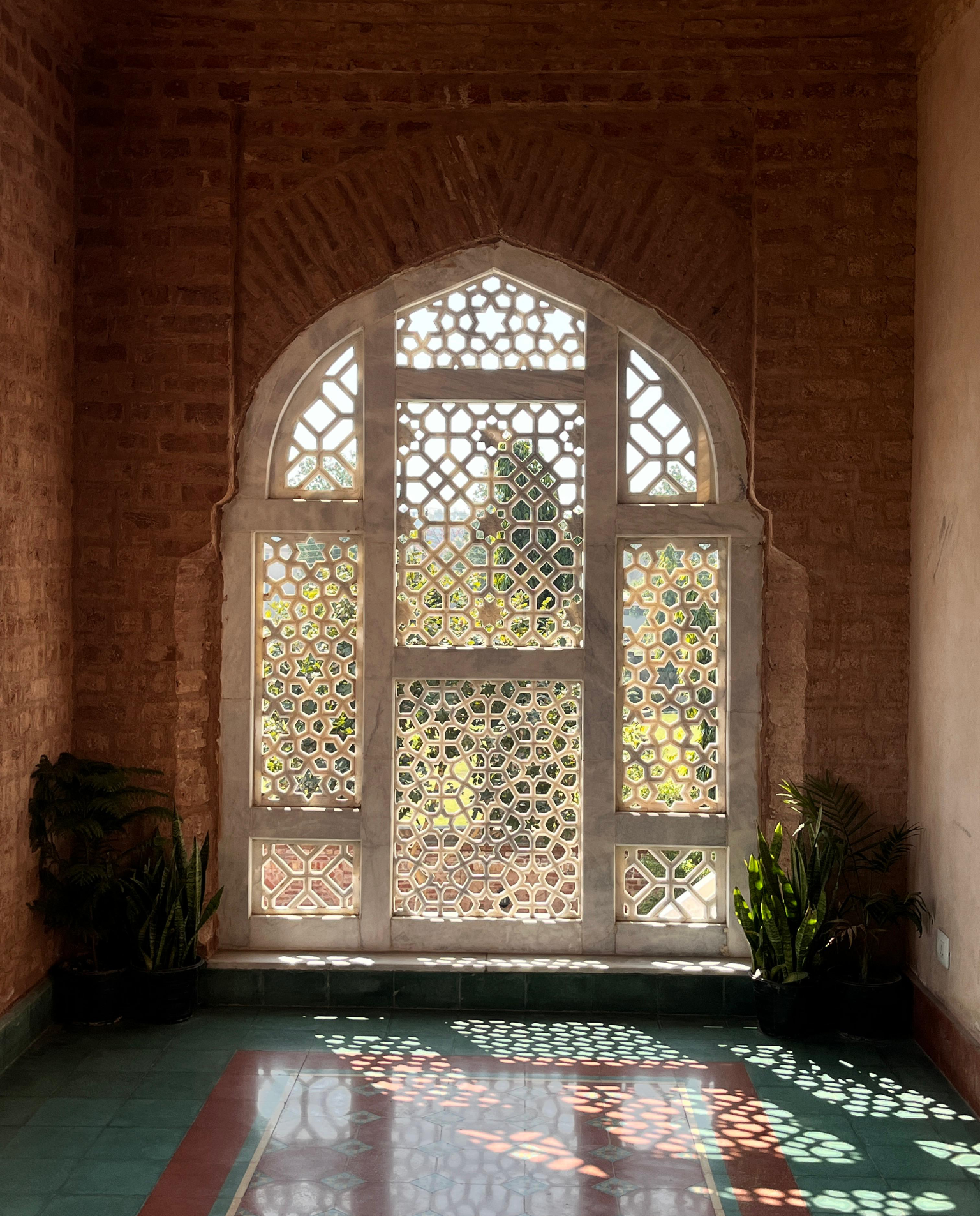
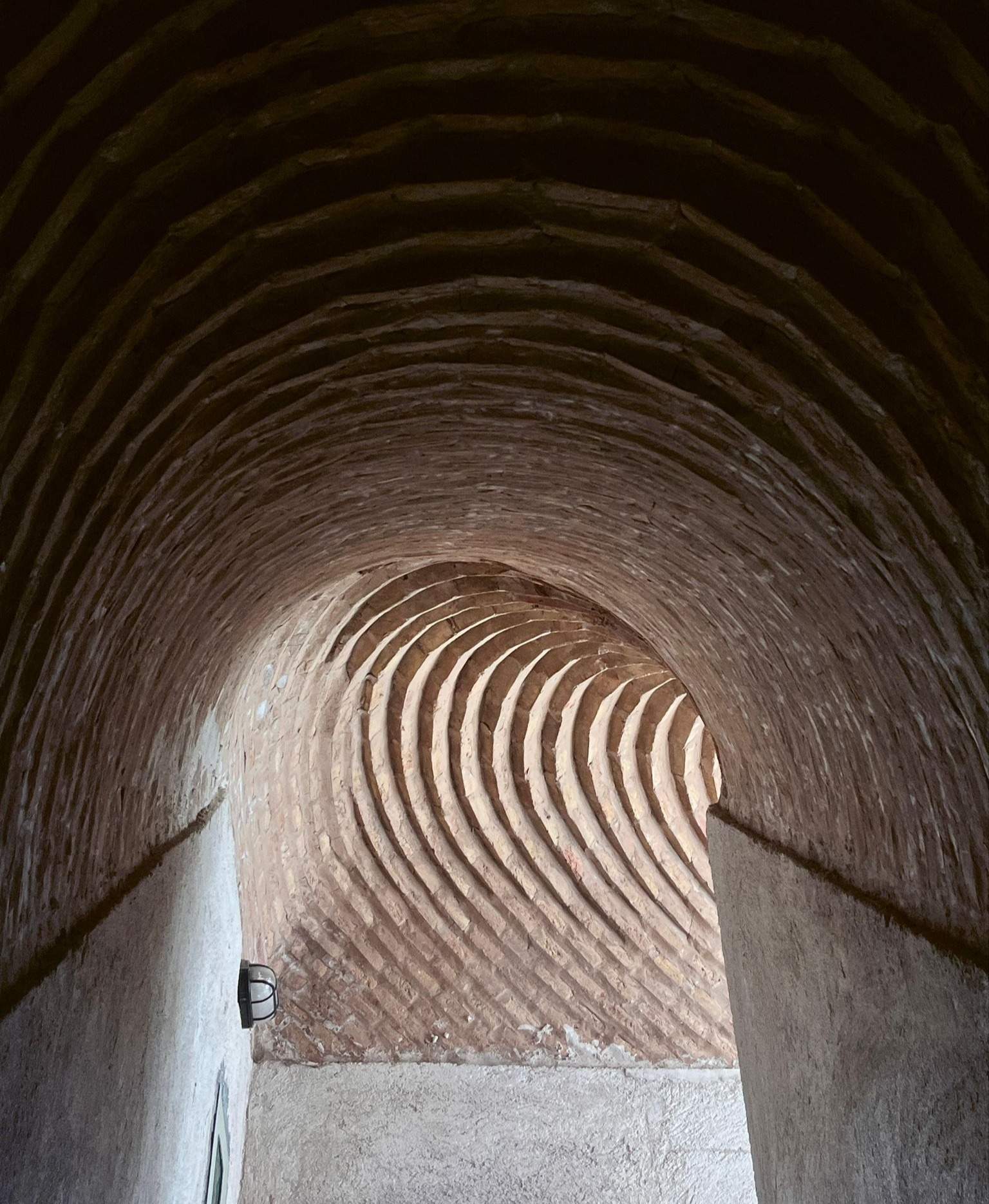
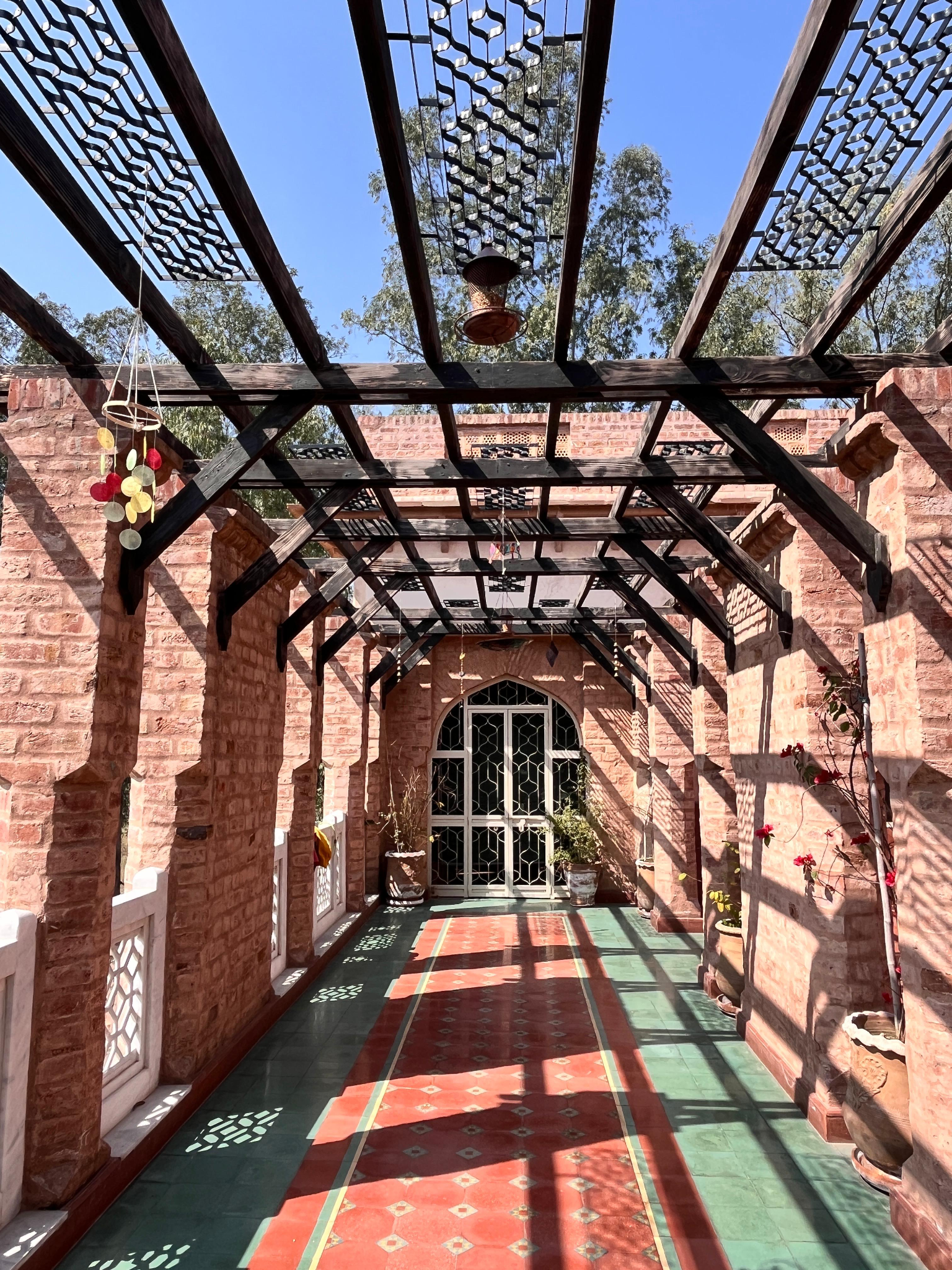
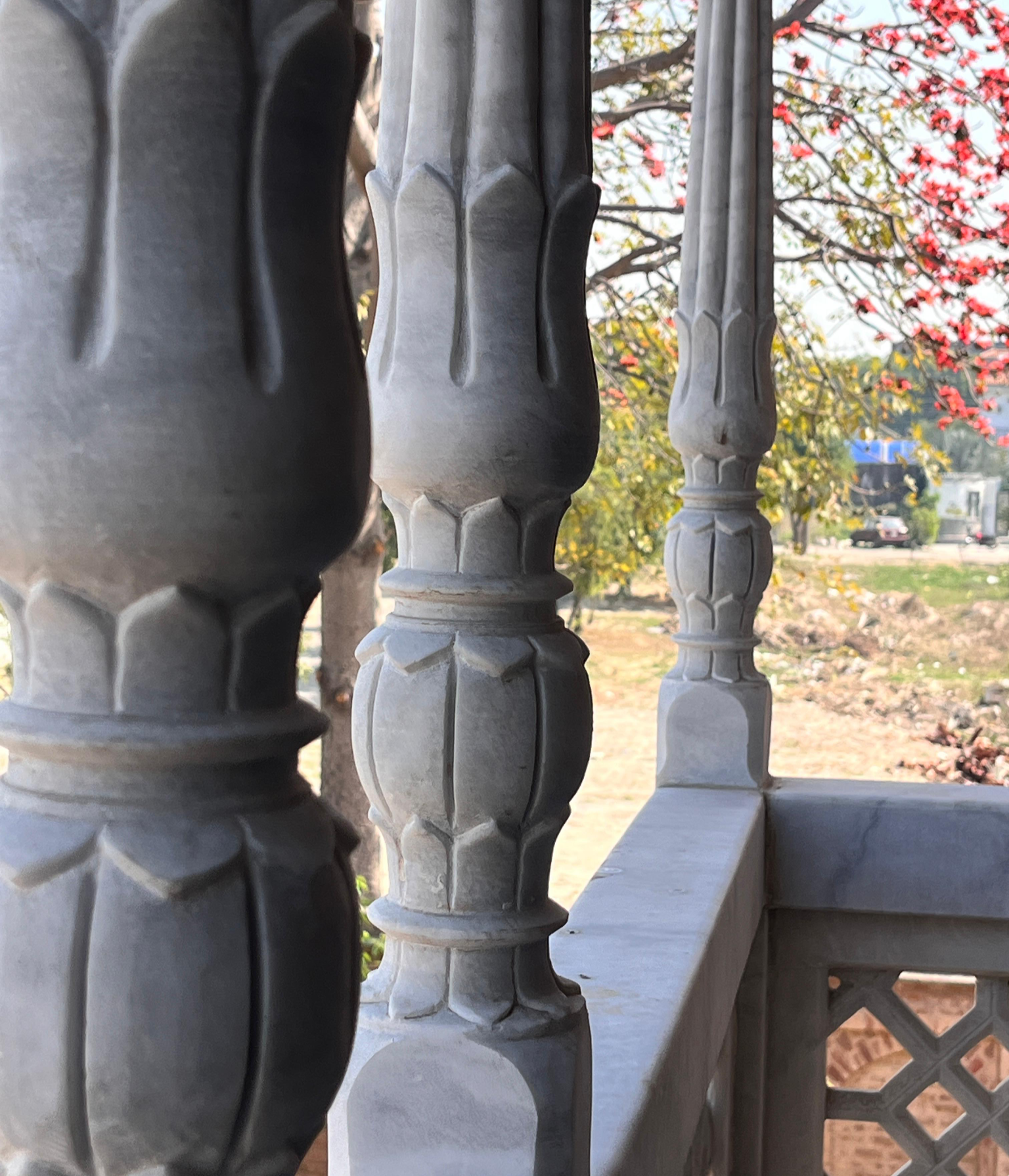
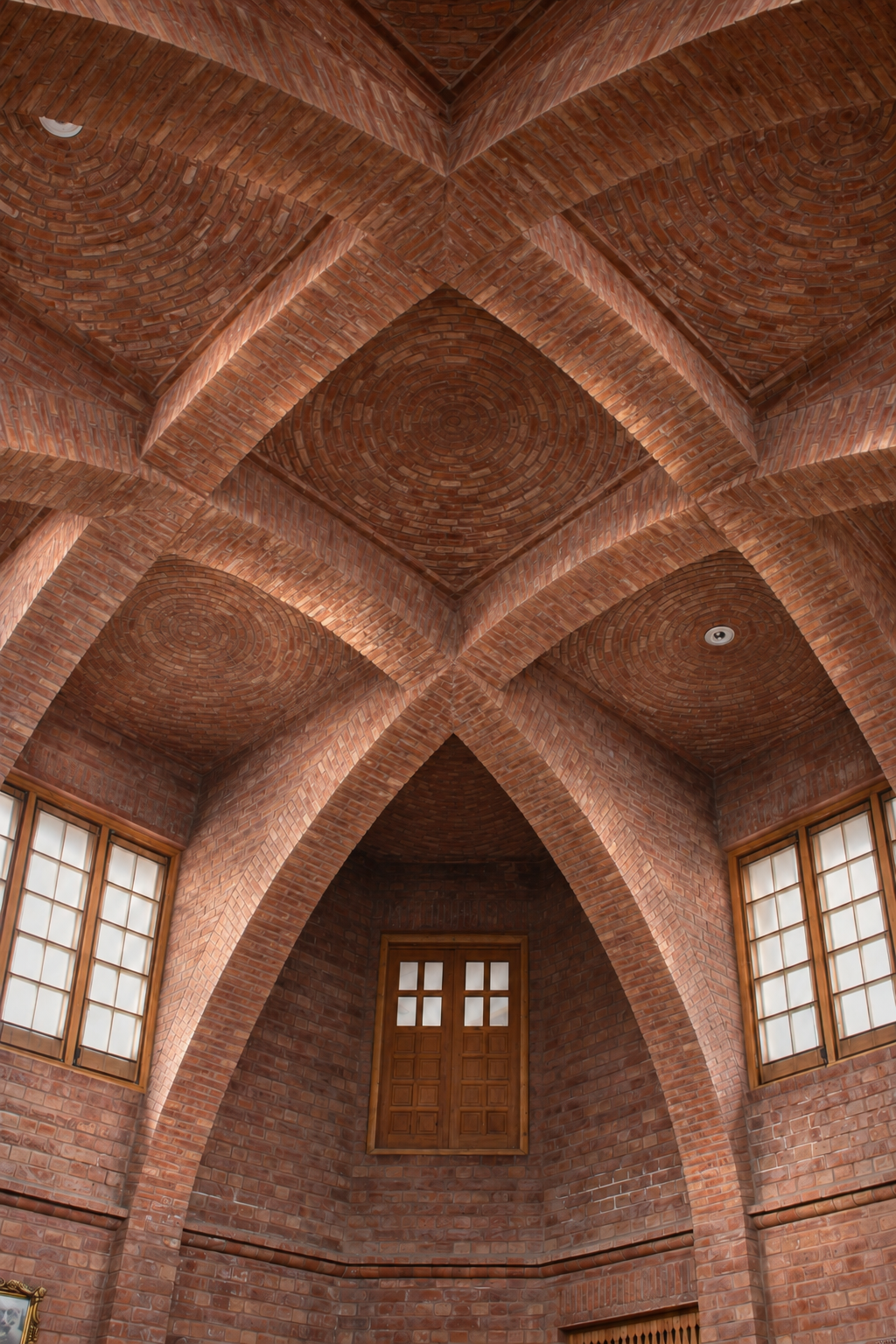
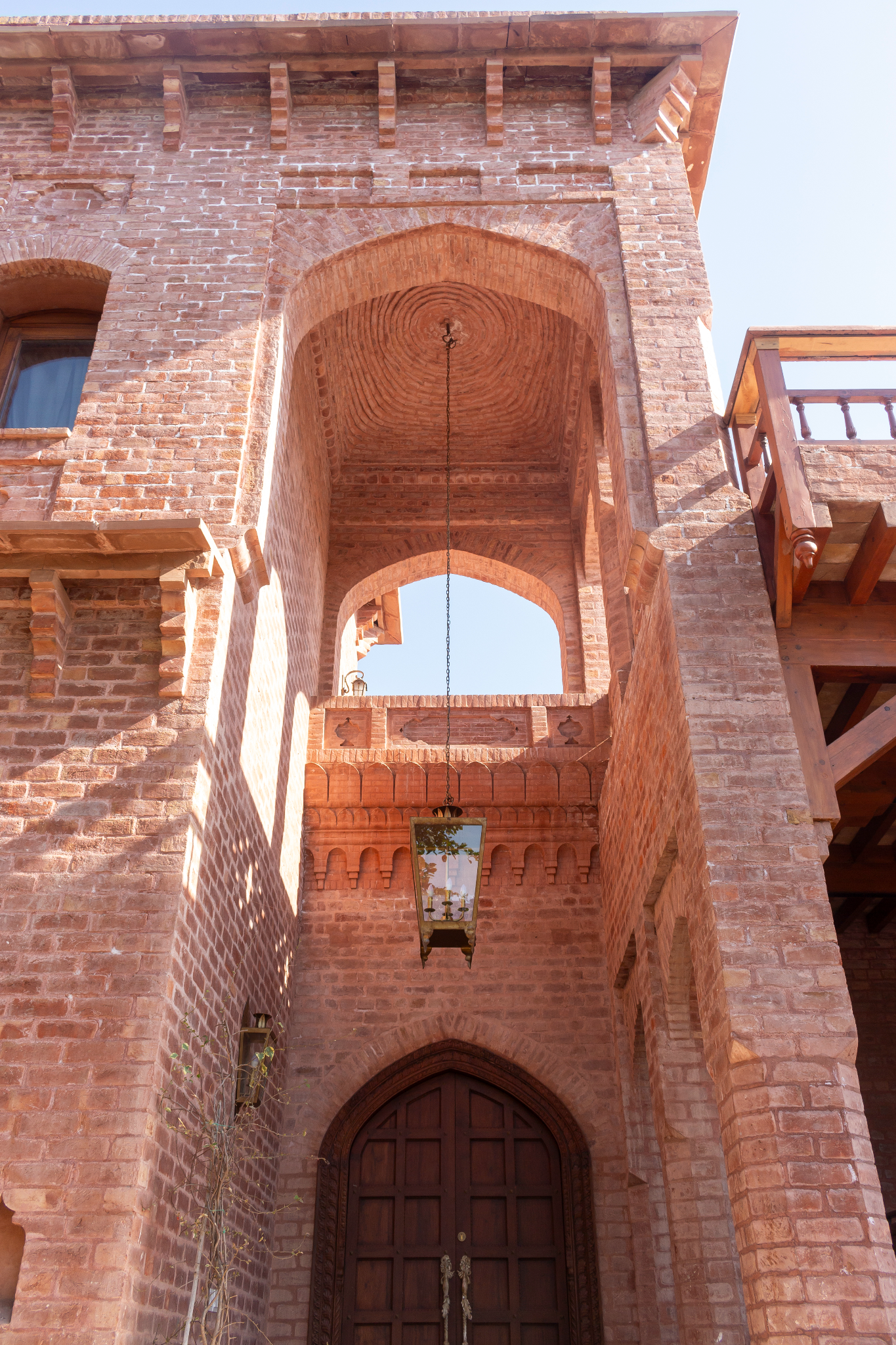
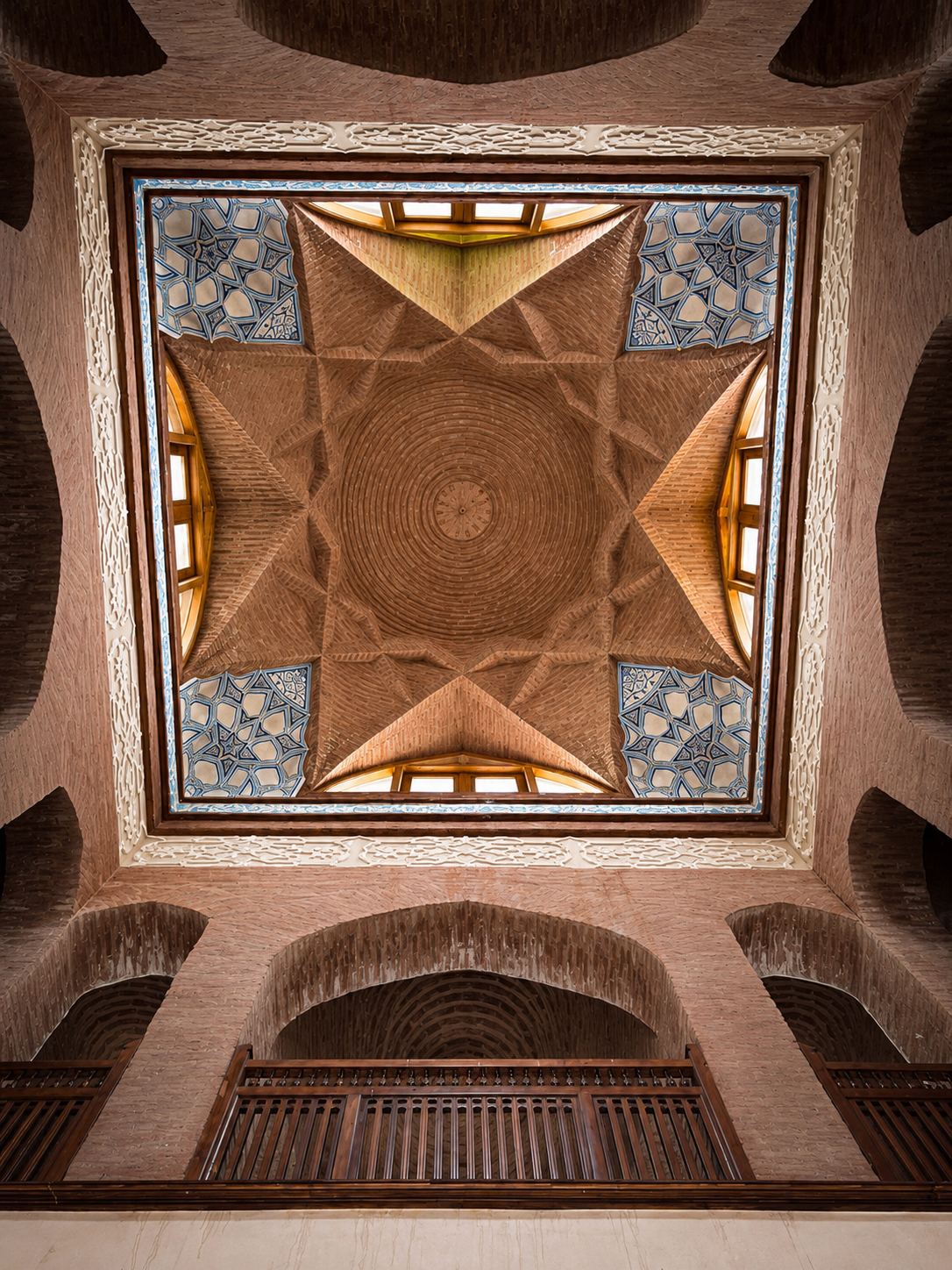
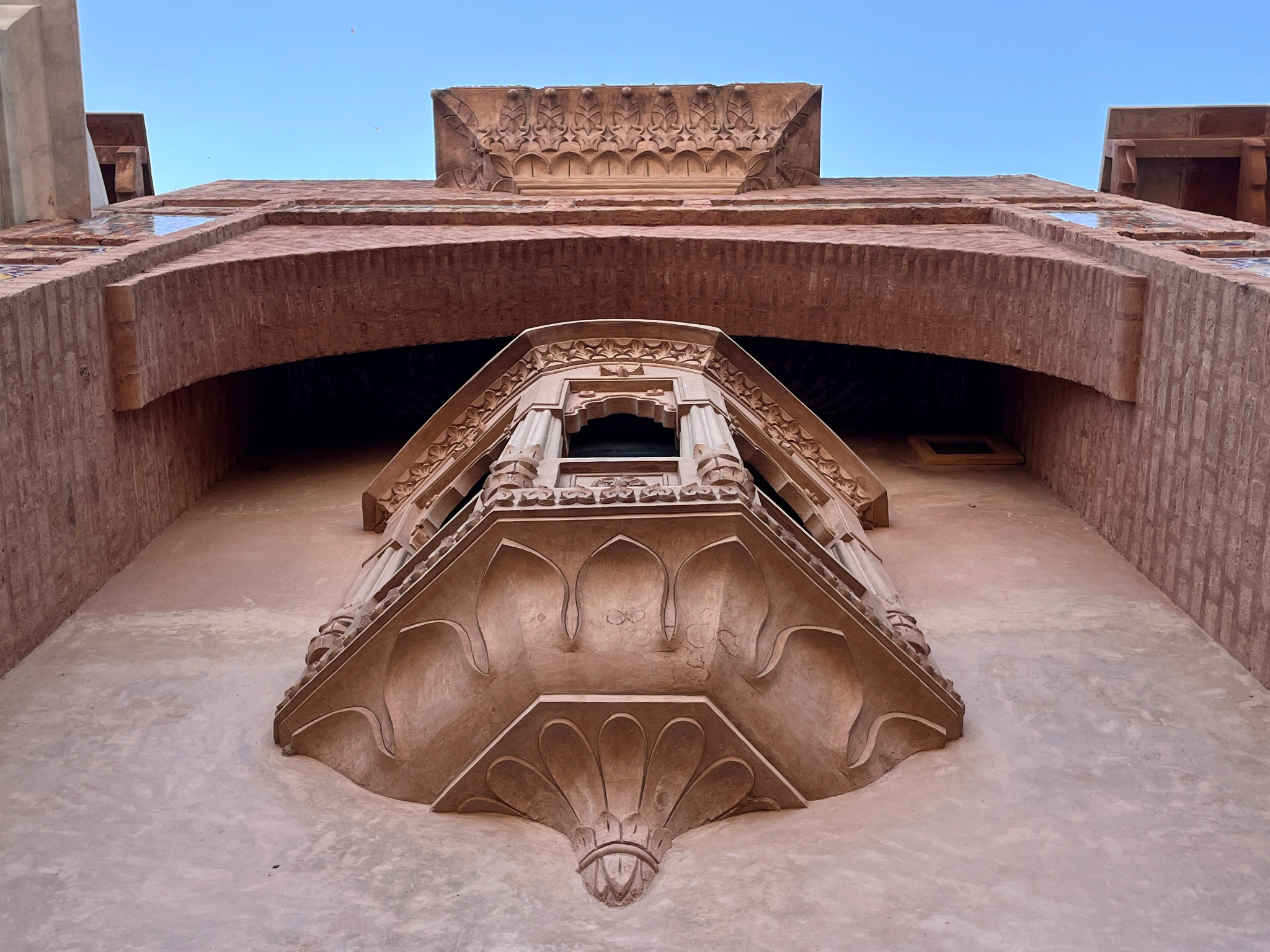
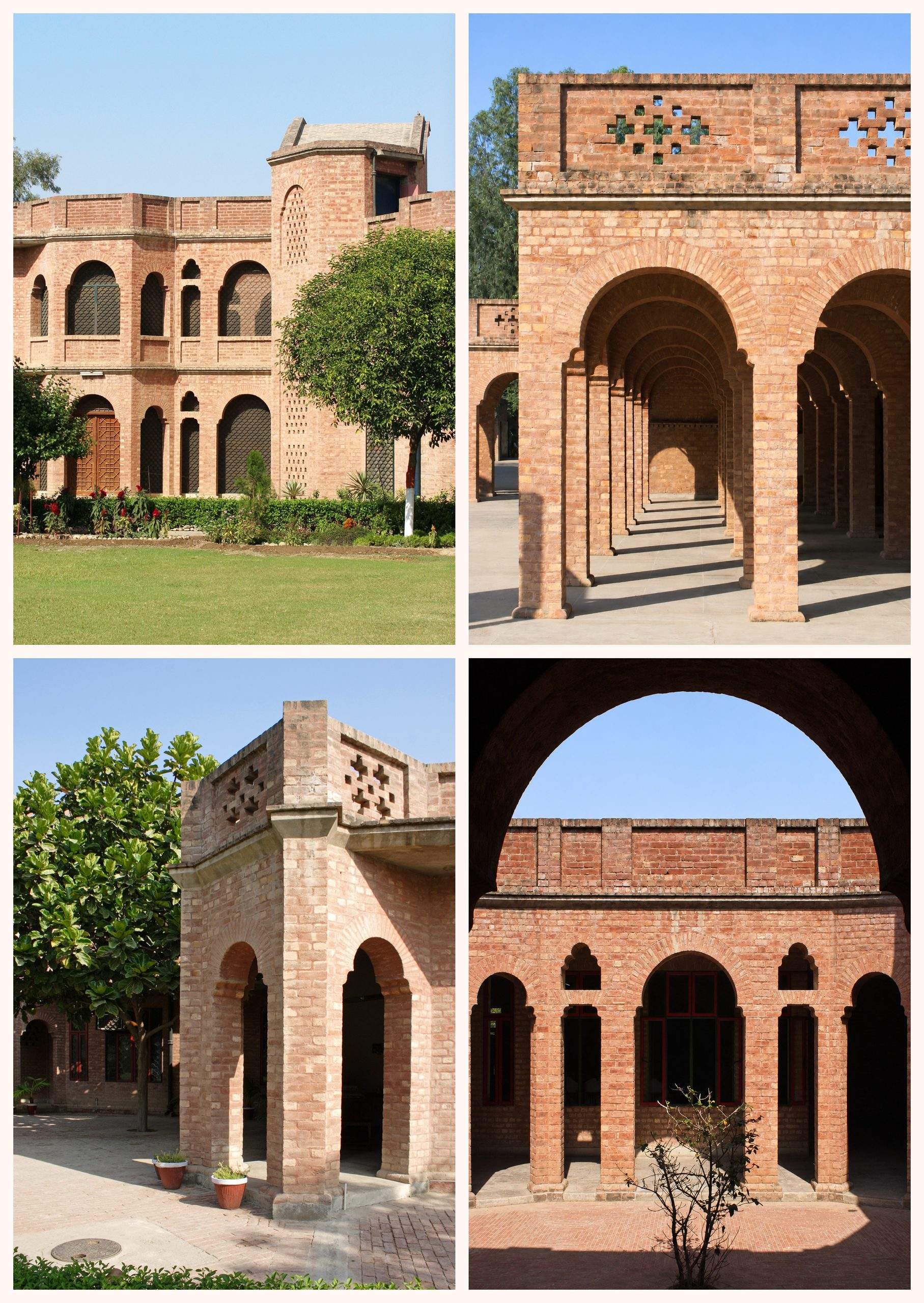
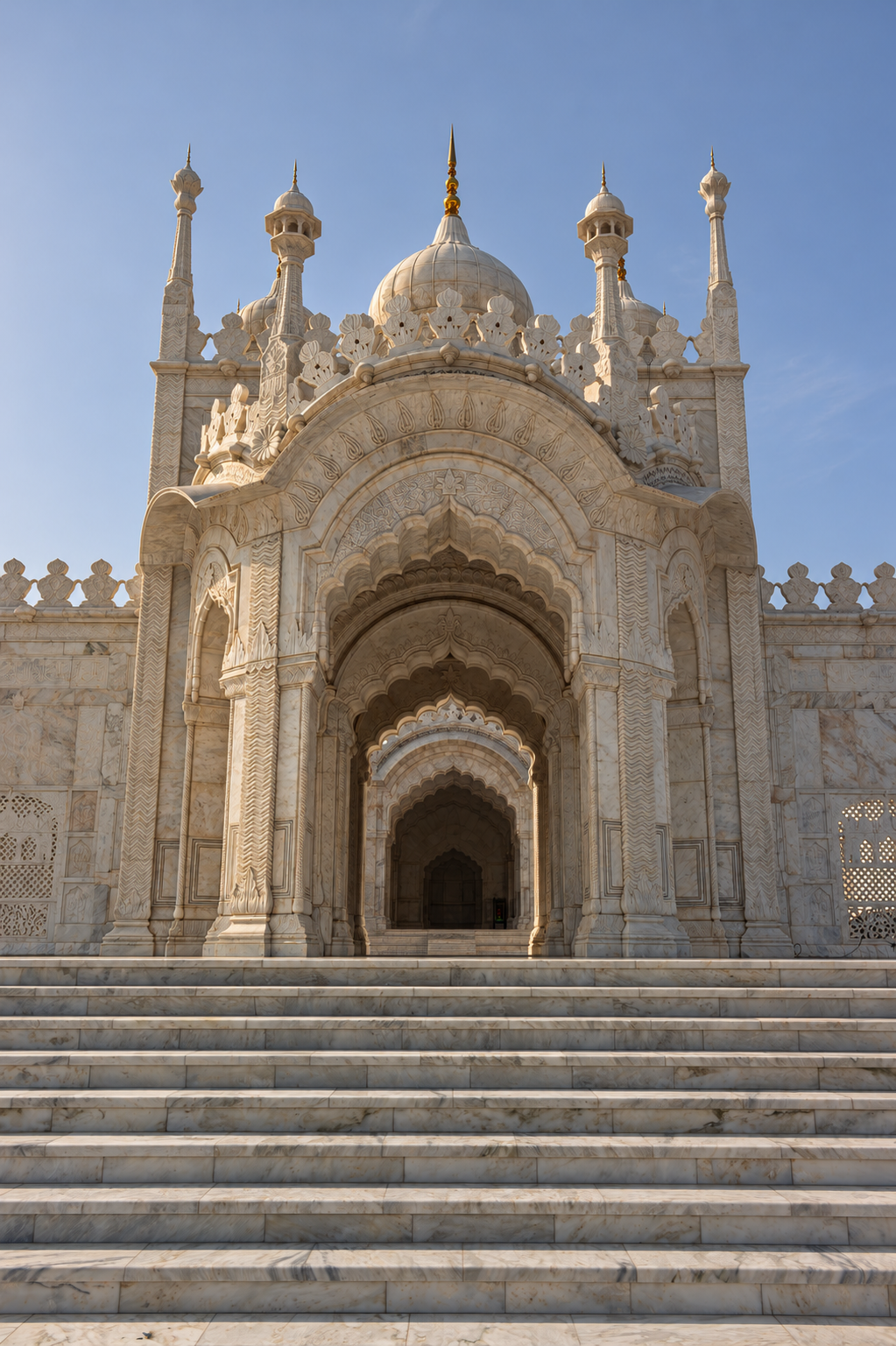
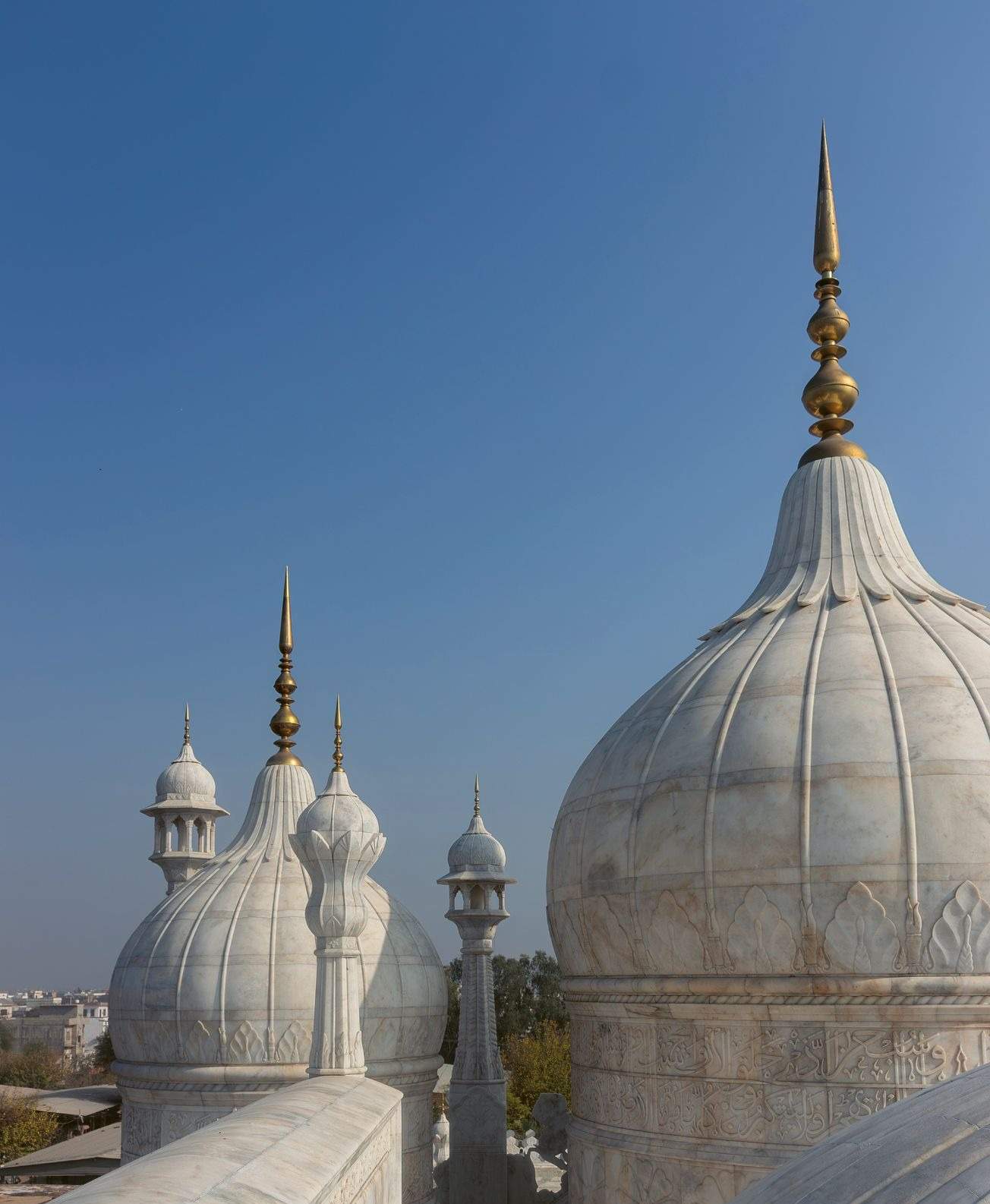
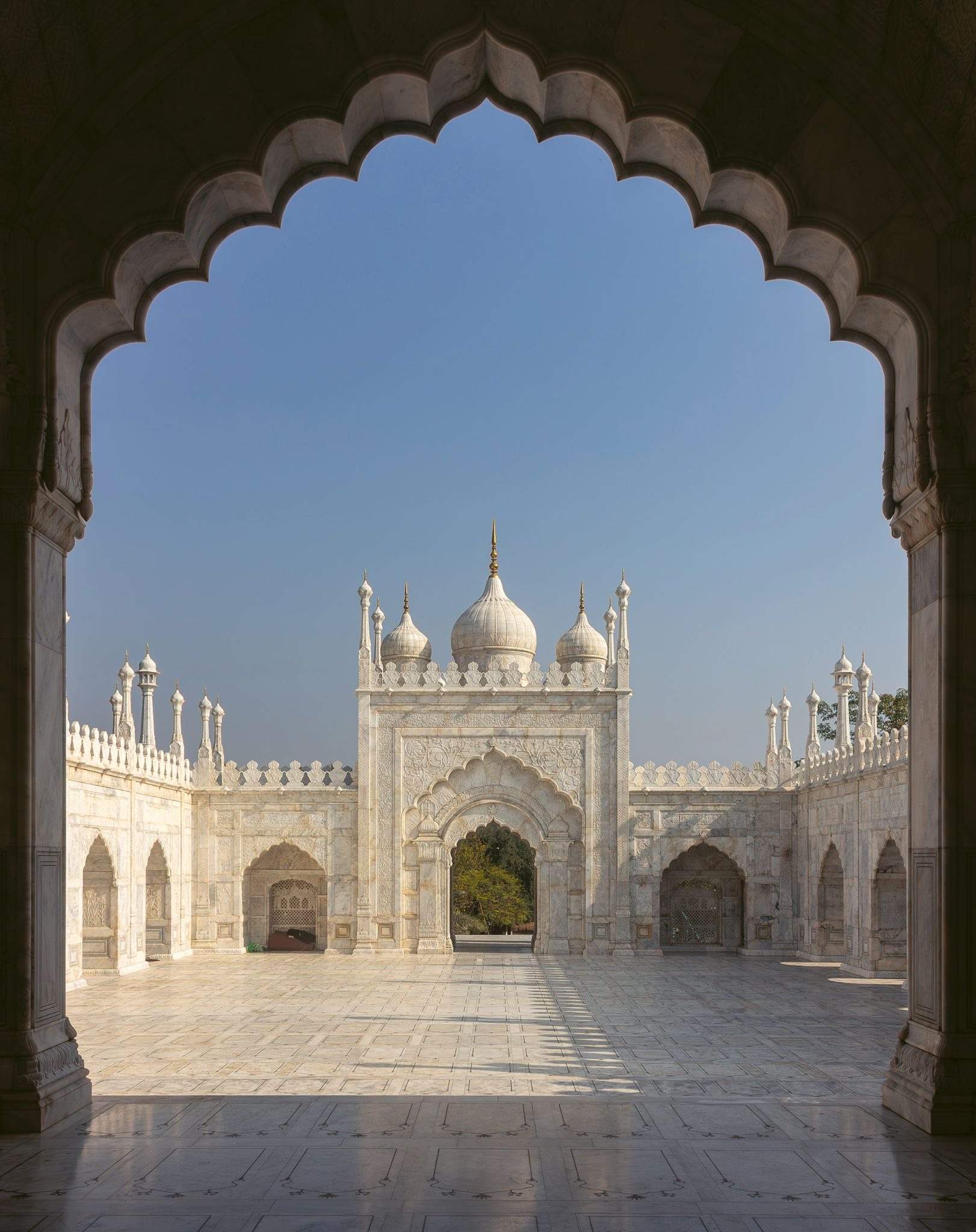
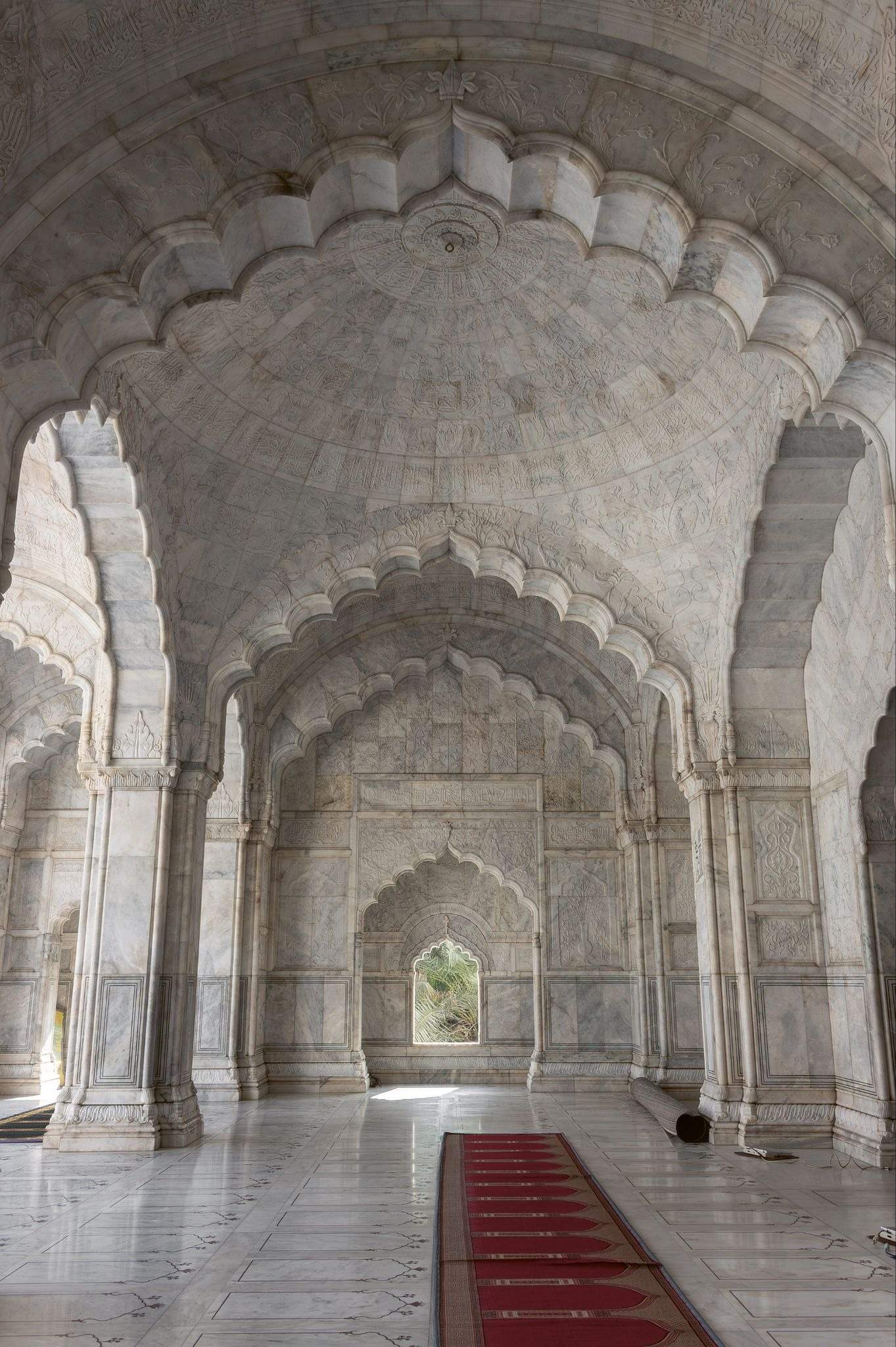
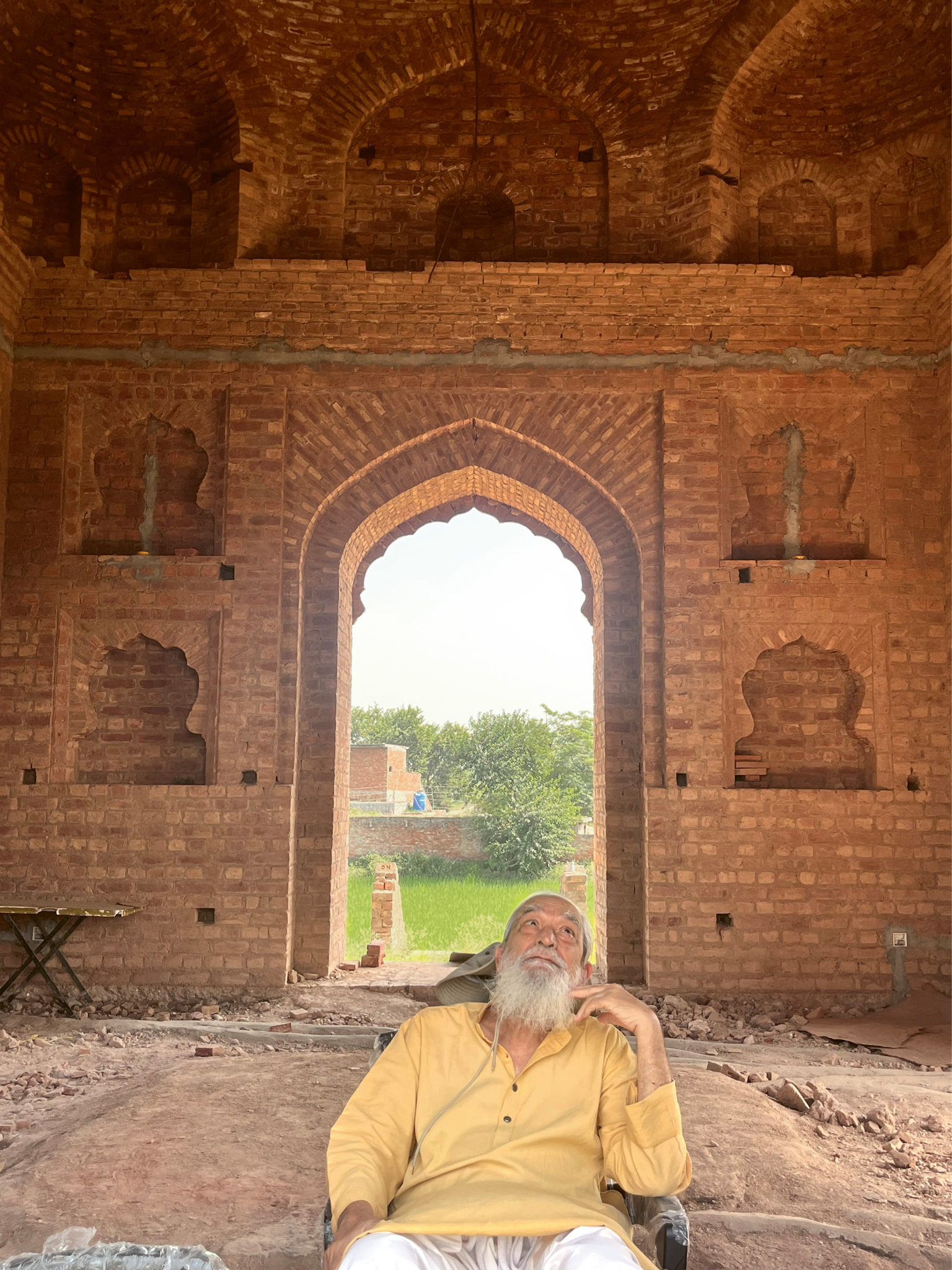
Now in his mid-eighties, Mumtaz continues to build. ‘It does feel like you’ve set the foundations for an alternative approach to contemporary urban environments’, an interviewer recently suggested to him. ‘I’m just keeping my fingers crossed! No idea what will happen’, Mumtaz replied.
Subscribe for $100 to receive six beautiful issues per year.