
Ugly architecture stops homes getting built.
Western countries used to let landowners build almost anything anywhere. Now, strict rules freeze the character of most neighborhoods, banning change and densification. Why? One theory is that modern buildings tend to be ugly, leading residents to support rules that exclude them from their neighborhoods. If this is true, then designing beautiful buildings could lead to more development. Housing reformists have vigorously debated this theory. Many British reformists are sympathetic, whereas Australian reformists tend to be skeptical, and Americans come down on both sides.
I do believe that ugliness plays a role in hindering development, but not in quite the way usually proposed. Ugliness is probably not a major driver of opposition to development by local people. Local opponents have many other concerns that are at least as important, like disruption from construction, loss of green space, pressure on local services, and diminished social exclusivity. But there is strong circumstantial evidence that ugliness is sometimes a major driver of opposition among people who live nowhere near the development in question. The first group are often called ‘NIMBYs’, for ‘Not in my backyard’. Let us call the second group ‘NITBYs’, for ‘Not in that backyard’.
While a few NITBYs are fervent campaigners, most are only casually interested. Their motives are faint but basically altruistic: their question is whether or not, based on a cursory assessment, a development is an objective improvement to its neighborhood. In certain contexts, the ugliness of a development can summon into being a huge cloud of NITBYs, whose interest in the scheme may indeed be superficial, but who can nonetheless be collectively potent.
This model is especially compelling in the case of heritage conservation. Until the 1960s, the redevelopment of historic buildings was almost always permitted; today, it is almost always banned by conservation rules. Supporters of conservationism usually portray it as a response to the destructiveness of postwar planners, while opponents see it as a pretext for suburban NIMBYism. In fact, I shall argue, neither explanation is plausible. On the one hand, postwar planners were no more destructive than the Victorians or Georgians had been: the rate of demolition was historically normal, and cannot explain the wildly unprecedented policy response. And on the other hand, there was no need for NIMBYs to invent pretexts to ban new buildings, as they had already successfully prohibited the kinds of development they disliked in the first half of the century.
What had changed, and what generated the host of NITBYs that bore conservationism to victory, was the ascendancy of modernist architecture, a style that most people demonstrably find relatively ugly. Conservationism was a reaction to postwar redevelopment, as its proponents claimed. But it was less a reaction to what the modernists destroyed, than to what they created.
Ugliness and NIMBYism
Most debates about the policy significance of ugliness presuppose a certain model of how it affects housebuilding. On this model, local people resent the prospect of having ugliness inflicted upon them, they therefore oppose ugly developments, and politicians implement antidevelopment policies to placate them. This probably does happen sometimes: ugliness obviously does affect local people, and it would be surprising if this had no effect at all on their behavior. But a closer look suggests that ugliness plays only a minor role in motivating NIMBYism.
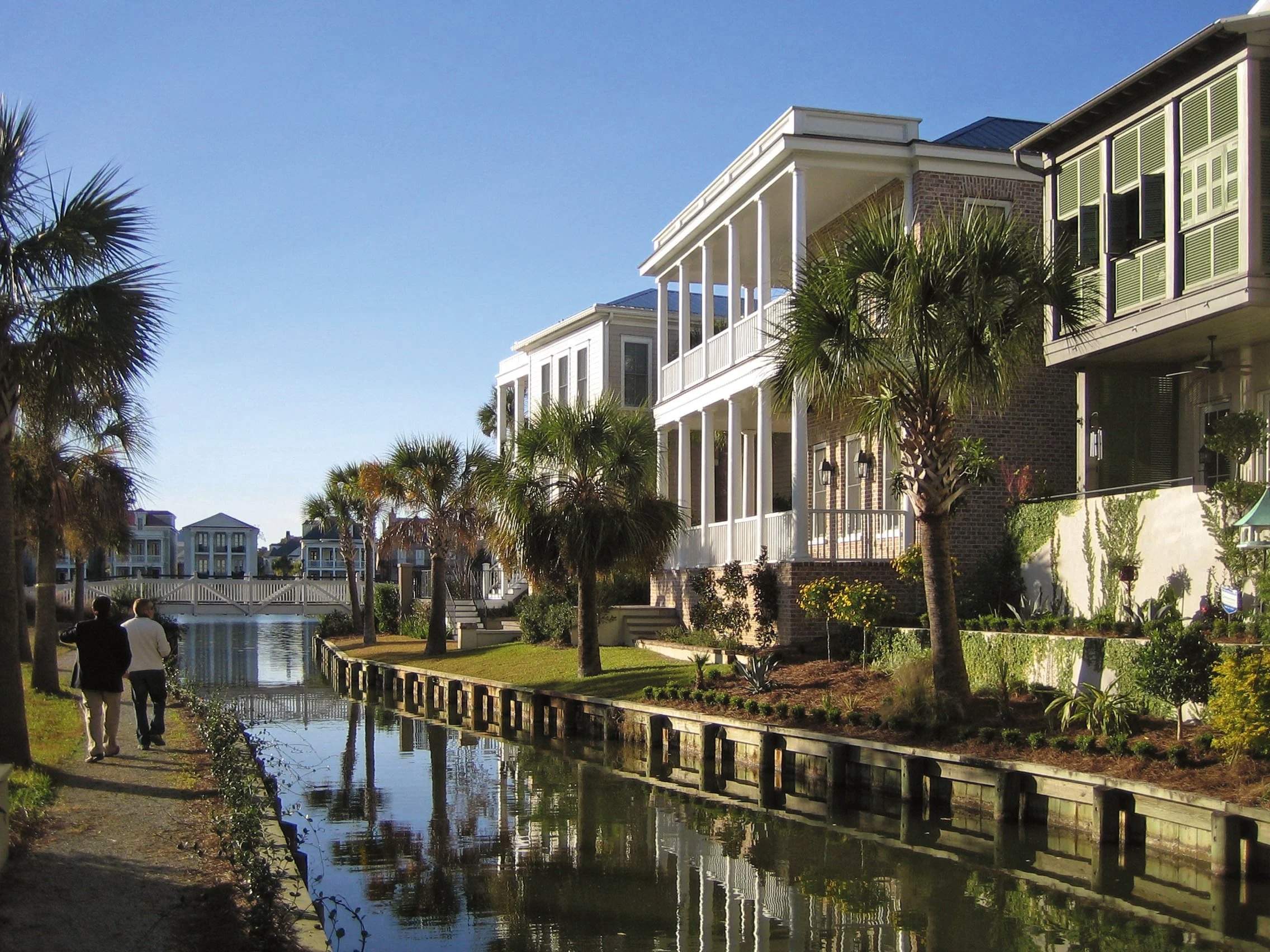
One reason for skepticism is that the occasional beautiful developments that do get built still often encounter fevered opposition. I’On (pronounced ‘ion’) in Charleston, South Carolina is one of the loveliest neighborhoods in North America. It has grown gradually since its founding in 1995, occupying a largely empty site between several existing residential subdivisions. Despite its walkable urbanism, tree-lined streets, and exquisitely detailed houses, thousands of local people petitioned against it when first proposed. The town council initially rejected the scheme, and a tortuous legal battle was fought to downzone the site through a local referendum. The NIMBYs were defeated only after the South Carolina Supreme Court found that zoning decisions cannot be made by referendum.
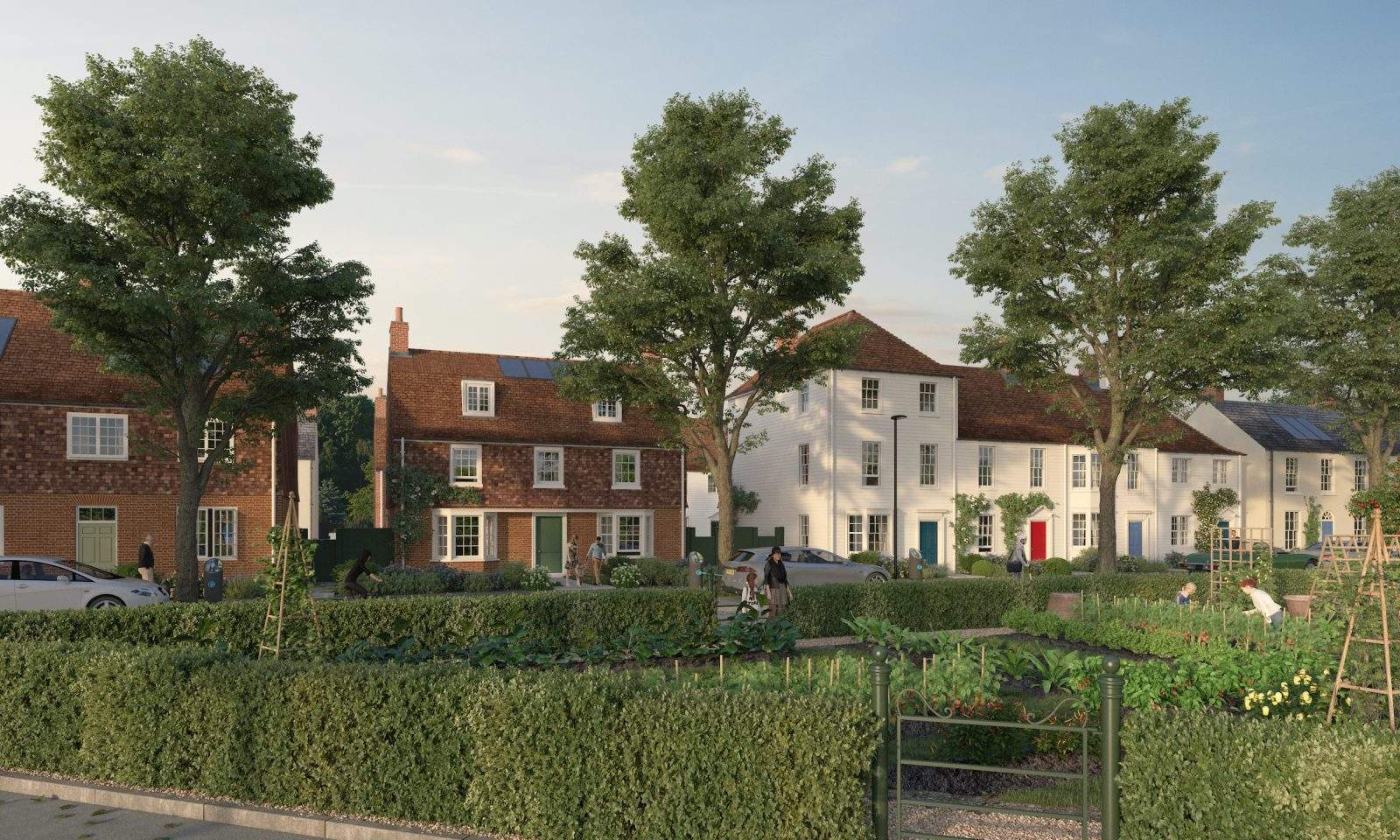
Such stories continue to appear today. The present king of the United Kingdom is an architecture enthusiast, and while he was prince, he orchestrated the delivery of several unusually attractive developments in his official landholdings (which, confusingly, are called the Duchy of Cornwall), including the famous developments of Poundbury and Nansledan. The Duchy is currently proposing a third, at Faversham in Kent. Its proposals show what would be one of the most appealing urban extensions in modern Europe. Nonetheless, it has triggered hundreds of letters of protest, as well as opposition from Faversham Council, the neighboring councils, and the local Member of Parliament.
Anecdotes like these are only weak evidence, not least because it is possible that the attacks would have been even more intense if the developments had been ugly. But they do suggest that beauty is not a panacea for NIMBYism.
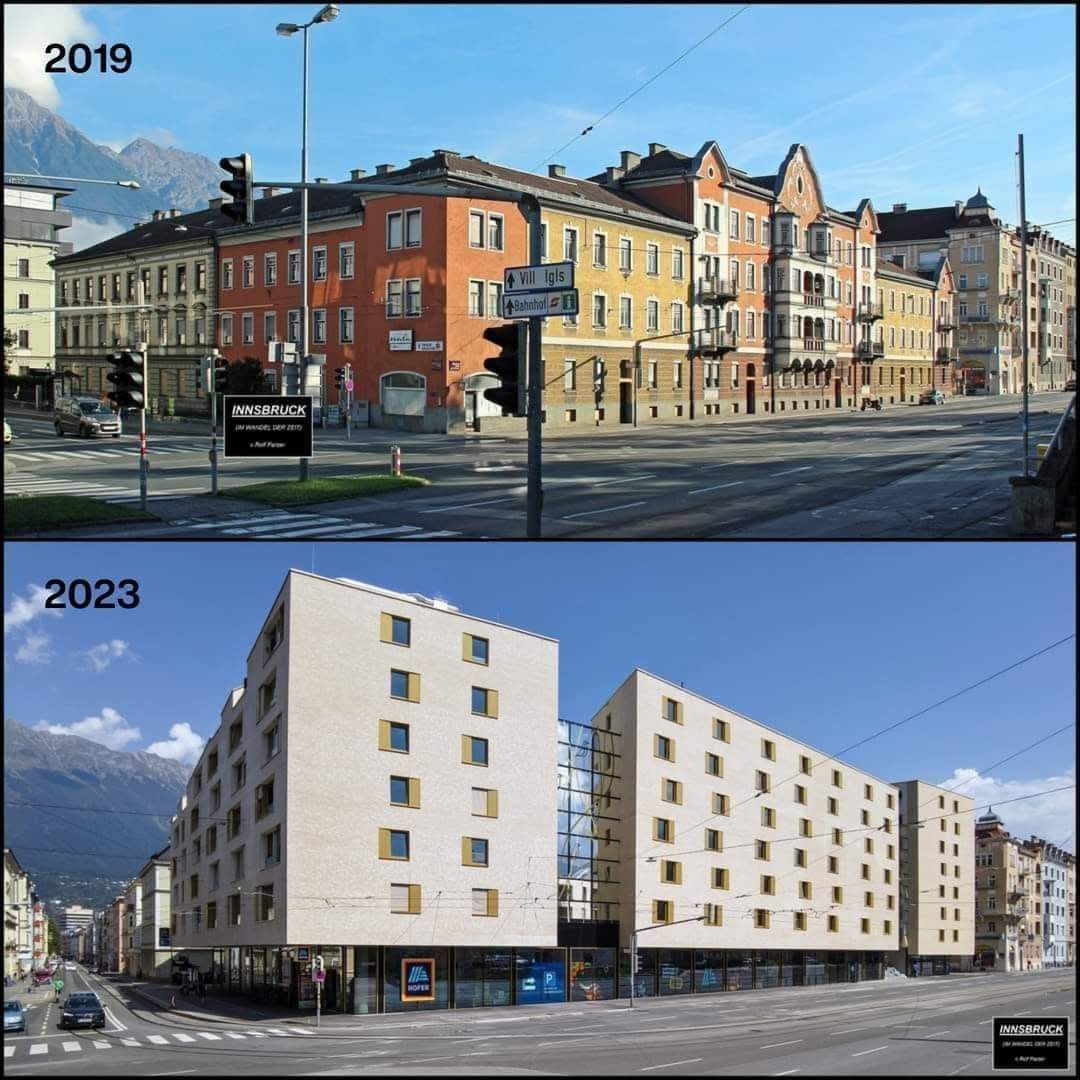
A more powerful reason to doubt the role of ugliness in generating NIMBYism is that it gets the timing wrong. It is true that land-use rules became far more restrictive in the twentieth century. It is also true that the dominant architectural styles became much more unpopular: visual preference surveys consistently find that most people prefer traditional styles to modernist ones. Viewed from a distance, it looks plausible that the two are causally related: new buildings became visually displeasing to most people, and as a result they started to push back against them.
In fact, however, these changes happened in the wrong order. Restrictive zoning emerged in Germany and Austria-Hungary in the 1890s and spread quickly thereafter. Italian cities began introducing zoning plans in the 1900s, Britain created a national framework for zoning in 1909, and France followed suit in 1919. Zoning spread quickly across the United States in the interwar period. The restrictiveness of early zoning varied by country, but it could be very tight: in Germany and Austria most suburbs were capped at their existing densities well before 1914, and retain those densities today.
Modernist architecture began at least a generation later. It emerged in the 1920s, chiefly in Germany, and spread in the 1930s as a minority style for clients who wanted something distinctively futuristic. In the United States, its impact was particularly faint, and famous American buildings of the 1930s and 40s, such as the Supreme Court Building, the Empire State Building, and Jefferson Memorial, remained resolutely Neoclassical or Art Deco. The global triumph of modernism came only in the 1950s.
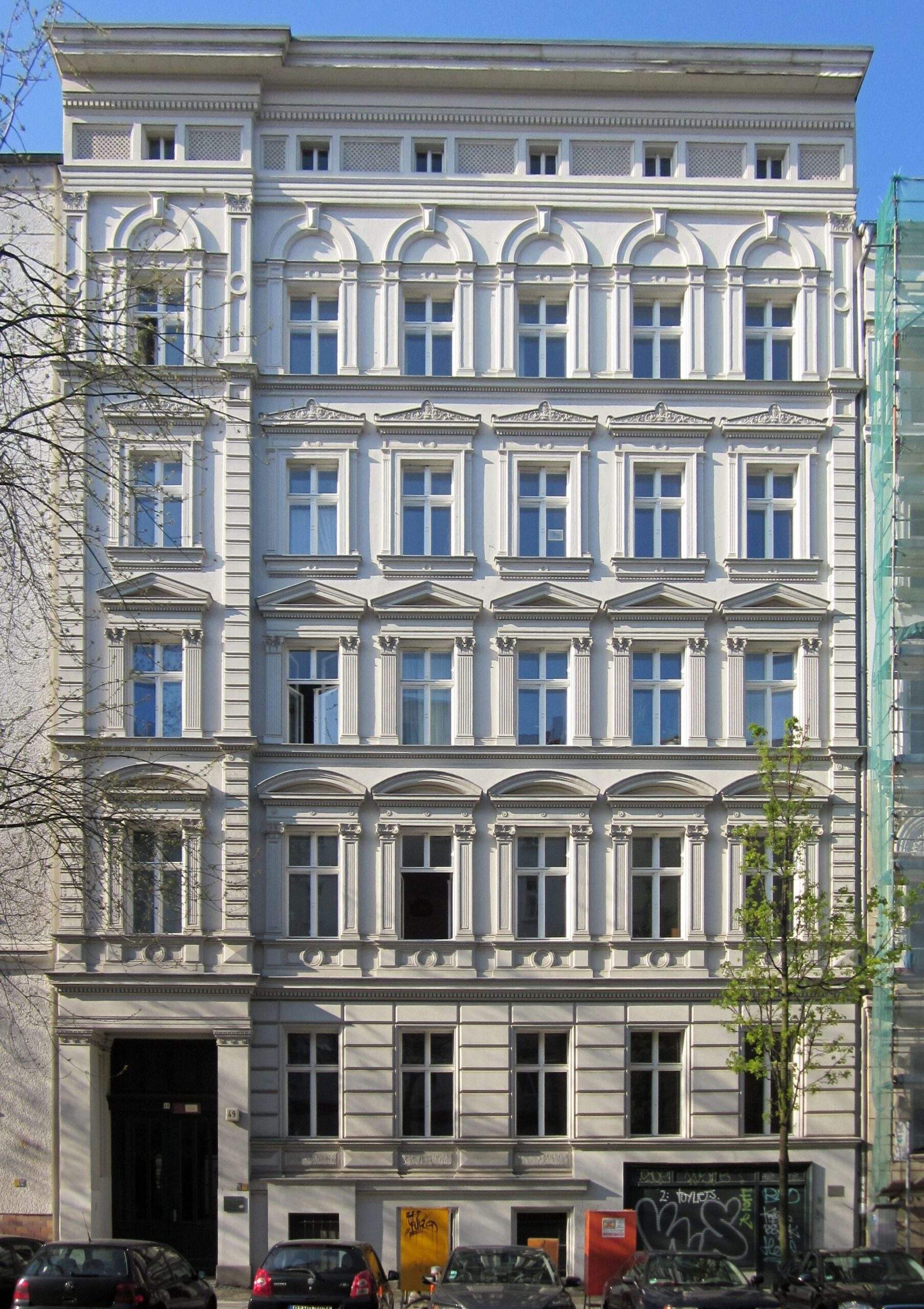
This means that the Great Downzoning happened in countries where most new buildings were still in the traditional styles dominant in the nineteenth century, with at most a minority in the novel but decorative styles we now call Art Deco. No switch towards styles perceived as ugly had yet occurred: the general picture was one of continuity with the past. The flats that were banned by early zoning would generally have had classical cornices, pedimented windows, and rusticated basements. In other words, NIMBYism triumphed long before it became true that, in most people’s eyes, the average new building was uglier than the average old one. This suggests that, though making development beautiful might palliate NIMBYism somewhat, the effect would be modest.

Perhaps this should not surprise us. After all, even the most beautiful neighborhood only emerges after several years of extreme ugliness, while the buildings are under construction. And however beautiful buildings may be, development will still have its other well-known impacts on local residents, like loss of light and green space, pressure on infrastructure and services, increase in noise, damage to social cachet, and change in the character of the neighborhood. Removing the problem of ugliness may reduce NIMBY zeal a little, but the number of NIMBYs it satisfies entirely will be small.
Was conservationism a response to modernist destructiveness?
Ugliness is clearly not the main driver of local opposition to new developments. This does not, however, mean that ugliness is irrelevant to housing shortages in the West. Today, American prohousing advocates work to generate statewide or national support for development in order to override the locals, whose representatives control the strict zoning that slows down development and makes housing scarce and expensive. Prohousing advocates have secured some important victories. But one area where they have almost invariably failed is in enabling more development in historic areas. The same is true for reformist campaigns around the world. Old buildings are protected from redevelopment across the West, even when they sit on the most valuable central land.
How did conservation become so powerful? The two most popular theories are (a) that conservation rules arose as a response to the unprecedented destructiveness of postwar planners and developers or (b) that they are a clever pretext exploited by local NIMBYs. I believe the evidence contradicts both. Instead, heritage conservation arose once most people began to feel that new buildings were uglier than old ones, generating widespread opposition to the redevelopment of old neighborhoods by people who did not even live in them.
The idea of conserving built heritage was not entirely a twentieth-century invention: the artist William Morris was an early proponent of the idea, establishing the Society for the Protection of Ancient Buildings, whose aim was to prevent the overzealous ‘restoration’ of churches and other historic buildings, in 1877 . Morris was considered something of an eccentric in his own time, however, and architectural conservationism did not achieve anything like the popular support it has today until much later. In 1960, most European countries protected only a tiny minority of monuments from development, and even these limited restrictions dated largely from the 1940s and 50s. In most American states, the authorities protected nothing at all. Over the next twenty years, this changed drastically. Heritage registers were created, expanded, and strengthened. ‘Historic districts’ or ‘conservation areas’ were declared. Governments halted redevelopment schemes and redirected resources towards refurbishment and restoration.
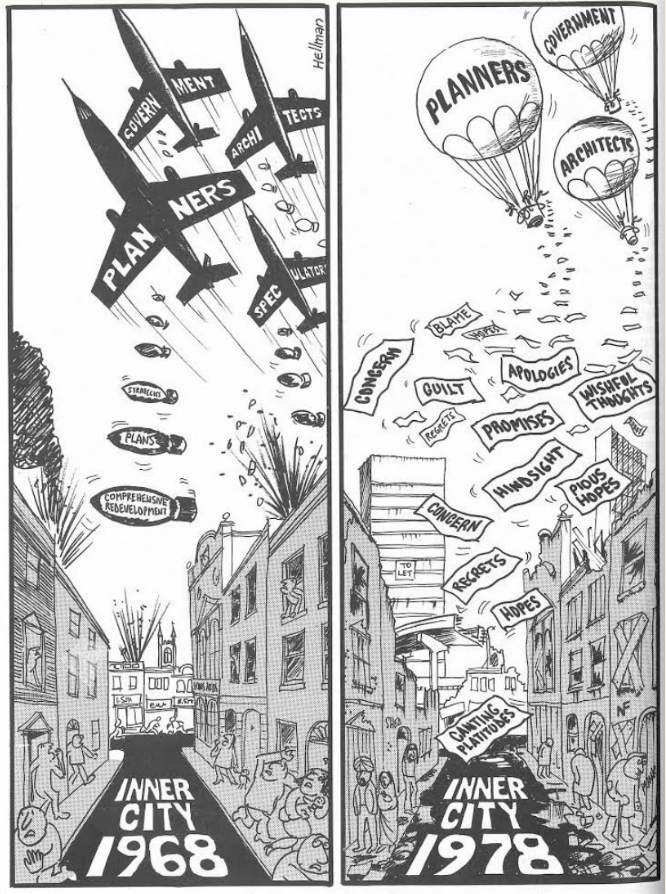
Taken together, these measures were extraordinarily successful. In Paris, plans for the city introduced in the 1950s foresaw the demolition of two thirds of Paris’s city blocks over the next few decades, the bulk of Paris’s urban fabric from the nineteenth century. In Britain, the government actually did demolish at least 1.5 million homes in slum clearance schemes in the postwar decades. This was nearly 10 percent of the overall housing stock, but since these ‘slums’ were largely eighteenth or nineteenth-century buildings, it will have equated to between fifteen and twenty percent of the prewar stock. The United States seems to have had even higher rates of (privately led) destruction, with one report finding that nearly half of the 12,000 buildings recorded in the Historic American Buildings Survey of 1933 had been demolished or seriously mutilated by the middle of the 1960s.
Conservation policy brought such demolitions almost to a standstill. In France, 1.8 percent of pre-1949 dwellings were demolished between 1999 and 2013, an annual rate of 0.13 percent. German states report even lower rates of demolition of pre-1919 buildings. In Berlin in 2022, just nine buildings from before 1919 were demolished out of a total of 50,337, a rate of 0.018 percent. In North Rhine-Westphalia in 2023, 56 pre-1919 buildings were demolished out of 445,226, a rate of 0.013 percent. At this rate, it will take North Rhine-Westphalia 7,951 years to demolish its prewar stock entirely. In Britain, government statistics show a paradoxical increase in the number of pre-1919 dwellings between 2012 and 2024, the result of more homes being subdivided than demolished. Old American buildings are demolished rather more often, partly because they are timber-framed and therefore harder to maintain in safe condition. But in the American Northeast, the annual demolition rate of pre-1920 buildings between 1997 and 2001 was still only 0.25 percent, while in the West it was slightly over 0.3 percent . In all these countries, the old buildings that are demolished are usually decayed and neglected. Many are in deprived post-industrial towns rather than in areas with strong pressure for densification.
The standard account of this shift sees the rise of the conservation movement as a response to the unprecedented destruction of heritage by postwar developers and planners. If we take the above figures in isolation, this seems plausible. The problem is that the destructiveness of 1945–1970 was really nothing new: earlier generations had destroyed just as much of their architectural inheritance without generating corresponding resistance.
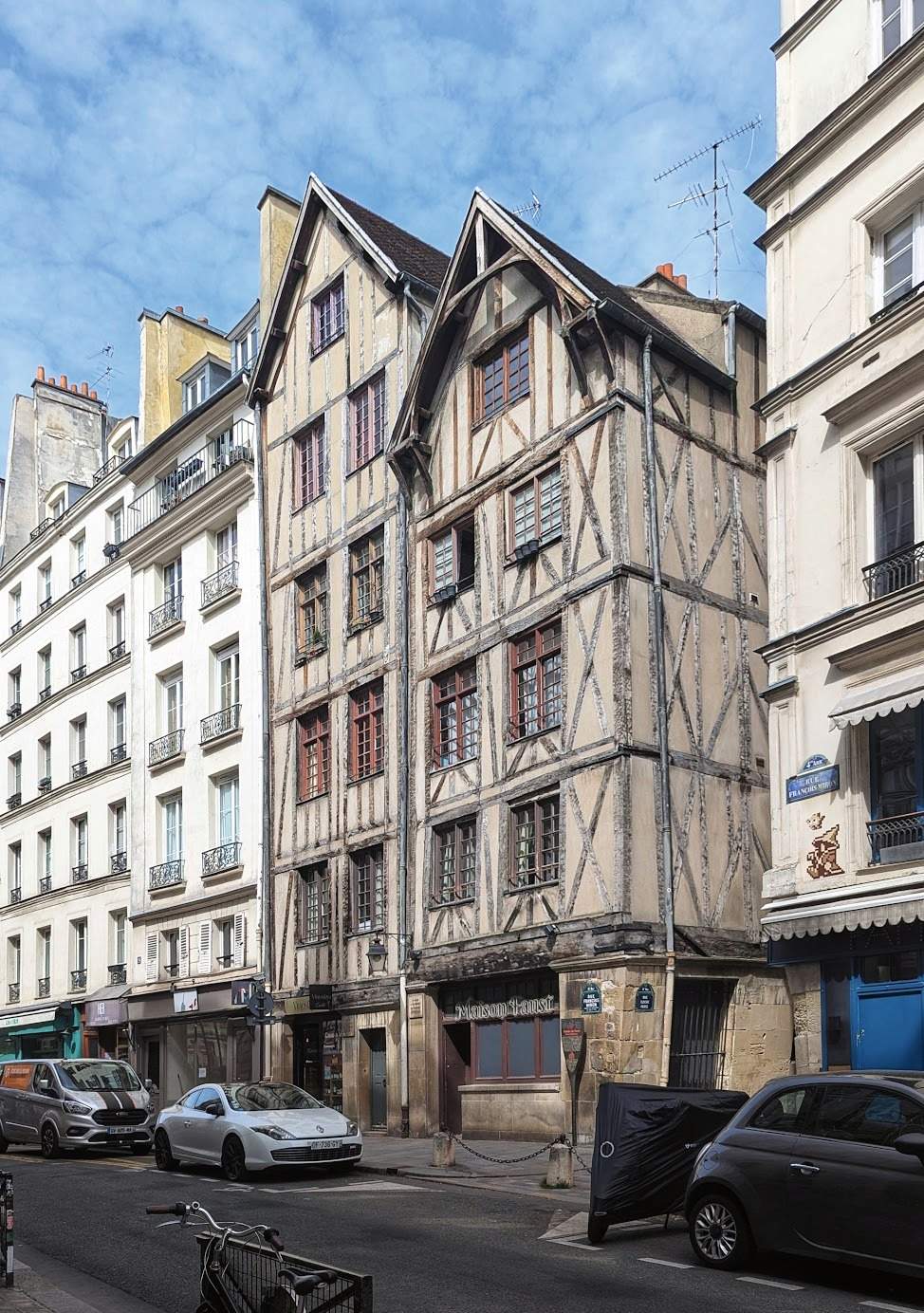
A graphic illustration of this is visible on the Rue François-Miron in Paris, where stand Paris’s last two fully intact timber-framed houses. Until the sixteenth century, almost all houses in Paris were timber-framed. In the centuries since, Paris was never annihilated by a great fire, earthquake, or bombing, unlike Chicago, London, San Francisco, and Tokyo. But its tens of thousands of timber-framed houses were demolished for redevelopment, until, by the mid-twentieth century, only these two remained. Many of their sites have since been occupied by several progressively larger buildings, demolished and replaced in sequence.
This rate of redevelopment was not unusual. London’s medieval stock was mostly destroyed in the Great Fire in 1666. But the rebuilt City of London of the late seventeenth century has also vanished. Only somewhere between 100 and 200 homes survive from this period, though more than half a million people lived in the brick-built London of 1700. Some seventeenth-century buildings were destroyed in the Second World War, but the vast majority had already been demolished and replaced in the eighteenth, nineteenth and early twentieth centuries. Assuming 100,000 homes in 1700 and two hundred survivors today, that means a destruction rate of 99.8 percent, considerably more thorough than that of the Great Fire.
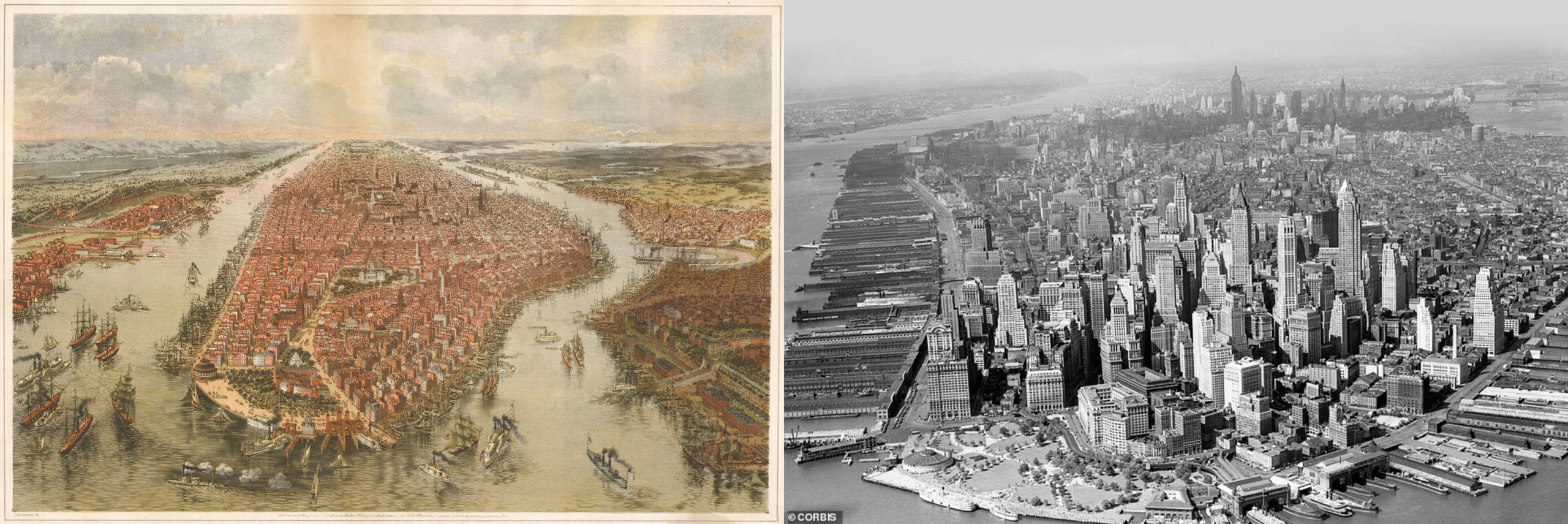
This process was perhaps even more marked in the United States, where the lack of height restrictions created intense incentives for redevelopment after the invention of elevators and steel frames in the 1880s. Fewer than twenty buildings of any kind survive in New York from before 1800. Boston has perhaps fifty or a hundred. Almost all of these buildings were already gone before the rise of modernism, demolished in the nineteenth century or in the furious building activity of the Roaring Twenties.
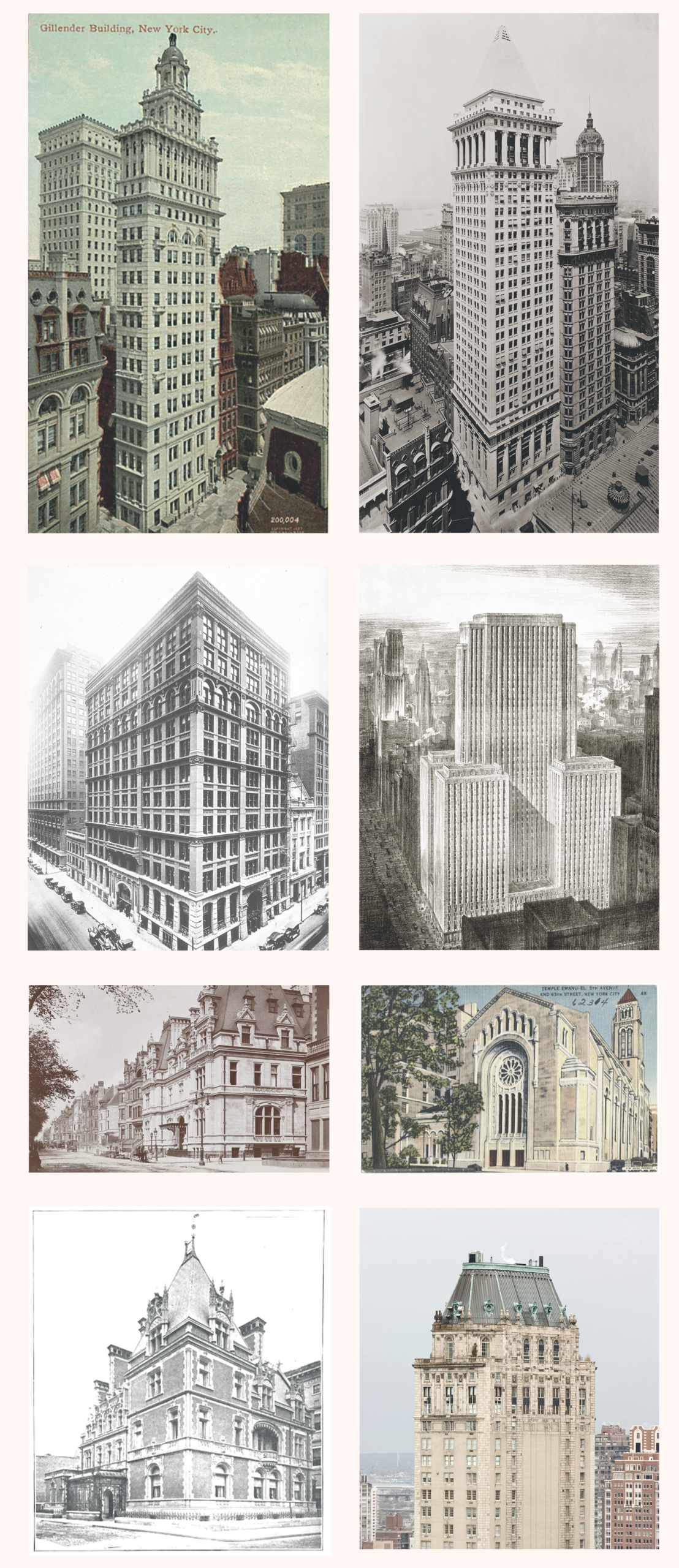
The rate of redevelopment could be even faster for certain types of building. In the Gilded Age, Manhattan had several hundred urban palaces, huge houses of the great business dynasties. Perhaps three quarters were demolished in a remarkably short period in the late 1920s. The Cornelius Vanderbilt II House was demolished in 1926 for the Bergdorf Goodman building, a department store. The Mrs William B Astor House was also demolished in 1926 for the Temple Emanu-El of New York, a magnificent synagogue seating a congregation of 2,500 people. The Elbridge T Gerry Mansion was demolished in 1929 and replaced by the Pierre, a skyscraper hotel in a French Renaissance style. Ironically, all three of these buildings now have heritage protection, either as individual landmarks or as elements of historic districts.
This destructiveness was not limited to the private sector, especially in Europe, where medieval and early modern city centers frequently stood in the way of government schemes. The most famous case of this was ‘road cutting’, the policy of driving new arterial roads through city centers to improve traffic circulation, which was unnecessary before the age of the car on generously gridded New World streets. Many of Europe’s most famous urban streets were originally cuttings, like Regent Street in London and the Rue de Rivoli in Paris. Although cuttings mainly served a practical function, the tree-lined boulevards they created were also seen as aesthetic improvements.
There is one interesting exception to this destructiveness: urban railways. Nineteenth-century railways generated huge clouds of steam and coal smoke, and were regarded as blights on the neighborhoods they passed through. As a consequence, there are almost no cases in which a railway was cut through a city center: this is why cities like London and Paris have a ring of railway termini around the historic core. In other words, nineteenth-century people behaved just like twentieth-century people in respect of the one kind of infrastructure they found overwhelmingly ugly, just as the anti-ugliness theory would predict.
Not everyone was happy about the tearing up of the old to make way for modern capital cities. People displaced by public works were obviously upset. Some commentators also regretted the destruction of historic buildings, especially when high-status buildings like palaces were replaced by low-status buildings like apartments. On the other hand, many Georgians and Victorians thought that redevelopment generally made their cities better. Although some ancient buildings were prized, normal houses generally declined in value over time, like cars or computers today: the default assumption was that buildings degraded with use, and hence that a new replacement was probably better.
Many people also thought that architects were getting better at designing attractive buildings. In 1868, The Builder, Britain’s leading architectural magazine, proclaimed that:
Commercial public works, of a magnitude unrivalled since the days of imperial Rome… are educating our workmen, from the lowest to the highest, to a style of craftsmanship entirely unknown in this country at the commencement of the present century. Private wealth, under the stimulus already given to good taste, is replacing the dead walls and unmeaning windows of the Georgian style of street building, the poorest and least picturesque that was ever common in any civilised nation, by not altogether unsuccessful effort to create a Victorian London.
The overall picture here is one of striking continuity between the modernists and their predecessors. The modernists certainly demolished a lot, but not generally more than the Victorians or Georgians. In a sense, they were much less destructive, since they were halted when they had demolished only a substantial minority of the inherited building stock, while the Victorians and Georgians merrily continued until they had torn down almost all of it. The idea that postwar planners were moved by destructive animus towards the past is mostly a myth. Their views about urban change were historically normal, and had generally been shared by the wider public. The fact that redevelopment lost the consent of the public in the 1960s and 70s requires some other explanation.
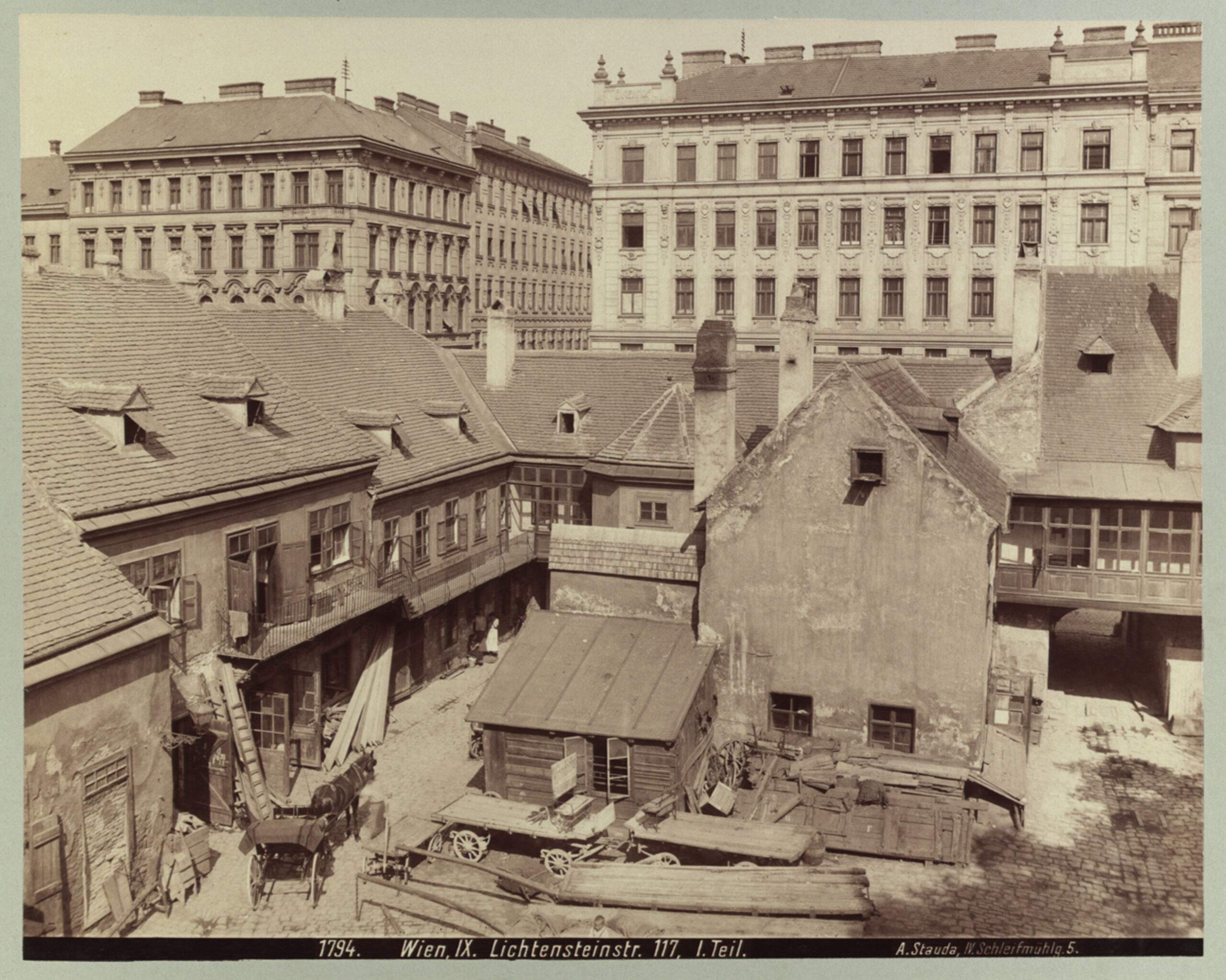
Was conservationism a pretext for NIMBYism?
If postwar destruction did not cause the conservation movement, what did? Some readers will sense an obvious answer here. Housing reformers have long suspected that the conservation movement is mostly a pretext for NIMBYism. According to this theory, NIMBYs actually oppose development in order to exclude poor people or non-white people from their neighborhoods, or to sustain high property values, or from pure reflexive dislike of change. But since none of these is a persuasive argument for state coercion, NIMBYs therefore have to invent ‘pretextual’ reasons for opposing development. According to this theory, the idea that we must conserve architectural heritage is one such pretext.
The idea that conservation is a front for some other objection can seem plausible. When I attend planning committee meetings, I often have the overwhelming impression that opponents’ arguments are heavily pretextual: people who have never shown the slightest interest in heritage, and who have perhaps gutted the historic features of their own homes, suddenly become fanatical champions of some trivial historic object when it stands in the way of a development. (Intense interest may also be discovered in bats, newts, hedgehogs, bees, blackbirds, public housing tenants, flood risk, key workers, young people, old people, and so on.)
As a general explanation for the rise of conservation in the twentieth century, however, the pretextual theory is surprisingly weak. The most obvious problem is once again sequencing: the rise of NIMBYism happened long before the rise of the conservation movement. As we have seen, suburban zoning spread across much of Europe before the First World War and then across North America in the interwar period, while conservation restrictions were extremely limited before the 1940s and only really became an important constraint on development in the 1960s and 70s. Many countries thus see gaps of forty or even seventy years between the two movements. Why didn’t NIMBYs invent conservationism earlier? Why, indeed, did they bother to invent it in the 1960s, long after they had already succeeded in protecting their affluent suburbs from development using other arguments?
The pretextual theory also struggles to explain the priorities of conservationism. As their name suggests, NIMBYs care chiefly about their own backyards – that is, typically, middle-class suburbs. Conservationism certainly does sometimes protect such places, but it is not restricted to them. It also protects working-class housing, commercial downtowns, public buildings, isolated country houses, and rural churches. In fact, it has often had far more effect on these buildings than it has on suburban areas, partly because suburbs were already protected by zoning, and partly because postwar governments wanted to clear ‘slums’, not middle-class neighborhoods. In other words, the conservation movement has the priorities of a NITBY movement, not a NIMBY one.
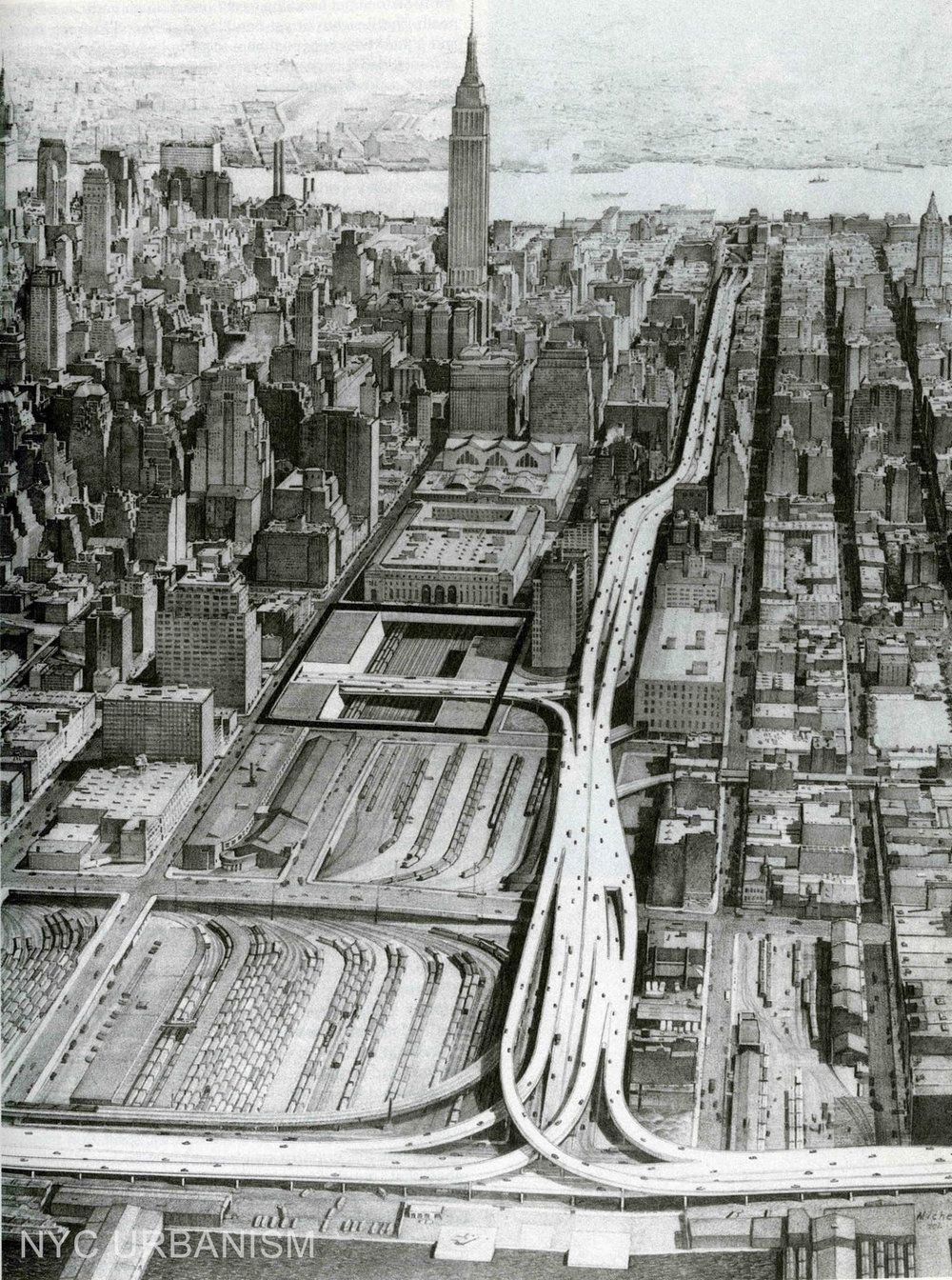
The difference between conservationist and NIMBY priorities is starkly illustrated by the divergent trajectories of city center districts. City centers with less historic build stock have frequently seen massive densification since 1950, because they have neither beautiful buildings for NITBYs to protect nor many local residents to object on NIMBY grounds. Thus many American, Canadian and Australian cities have seen forests of skyscrapers rising in their downtowns, while their vast suburbs, full of homeowning NIMBYs, remain petrified at low densities. Urbanists write about an ‘urban transect’, with densities gradually rising towards the center. These cities have developed a distinctive ‘L transect’, sheer at the core but flat everywhere else. This is the urban form that arises where local NIMBYism is a powerful force while NITBY conservation has less relevance.
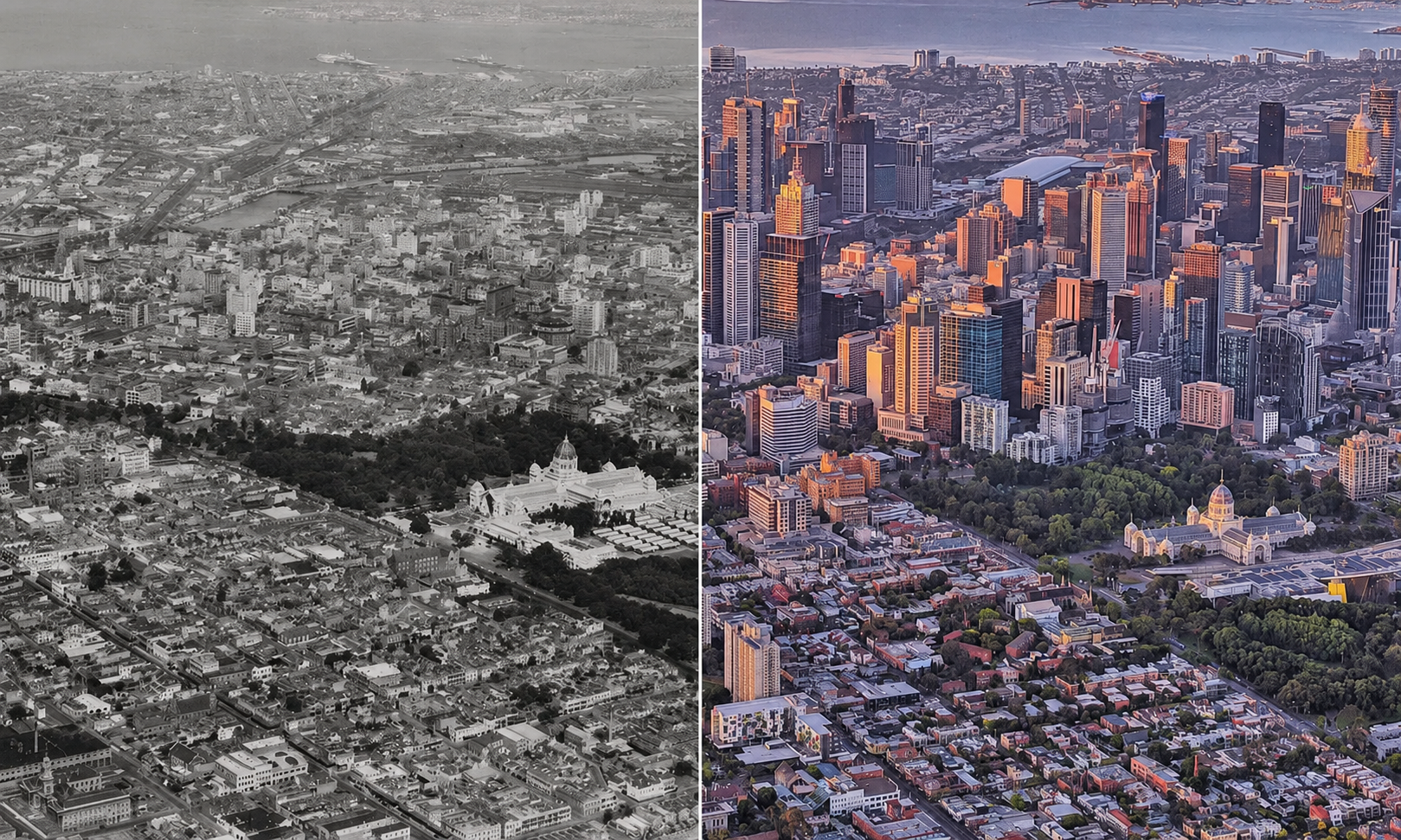
By contrast, European city centers have been more perfectly frozen than perhaps any other kind of neighborhood: the building stock of central Paris, Rome, or Madrid has hardly changed at all since 1960. When European municipalities want to develop a skyscraper district, they generally have to find a low-end suburban site for it, like Paris’s La Défense or Madrid’s AZCA. If current plans for tall buildings around the Périphérique ring road go ahead, Paris may end up with a gentle U transect, with its highest densities displaced to the periphery. The obvious reason for this is that European city centers are where historic buildings are concentrated. They have no special significance for most NIMBYs – although they have often now gentrified, many centers were poor or depopulated in the 1960s – but they are the natural focus of NITBYs’ efforts.
Where European cities have densified their centers since 1945, it is generally downstream of heavy bomb damage, as in Frankfurt and London. One famous study found that the Blitz ultimately made London’s economy 10 percent larger by enabling higher densities on former bomb sites. If London’s development restrictions were solely driven by NIMBYism, this would be inexplicable: sites where density had been randomly lowered to zero in 1941–1945 would if anything be expected to have lower density today, since the NIMBYs would have been resisting densification from a lower baseline. The reason that bomb damage enabled higher subsequent densities is that development is often blocked by NITBY protection of heritage architecture, not NIMBY opposition to density.
The fight against uglification
The true explanation of the spread of conservation is before our eyes: the rise of perceived ugliness. Redevelopment in the postwar era did not become more common or more destructive of heritage. But it did become, in the view of most people, uglier. This may have made people (even) more hostile to redevelopment near them. But its politically decisive effect was to make people more hostile to many kinds of redevelopment that did not affect them personally.
Most people are not principled opponents of redevelopment as such. Even today, developments on former industrial or logistics sites are often widely popular, like NOMA in Washington DC or Coal Drops Yard in London. But many people are principled opponents of redevelopment when it seems to uglify places. Very many people dislike the idea of their city or their country becoming uglier, even when they do not live near the development in question. They lend low-level, passive support to conservationist campaigns – support which aggregates into a powerful force in a democratic society.
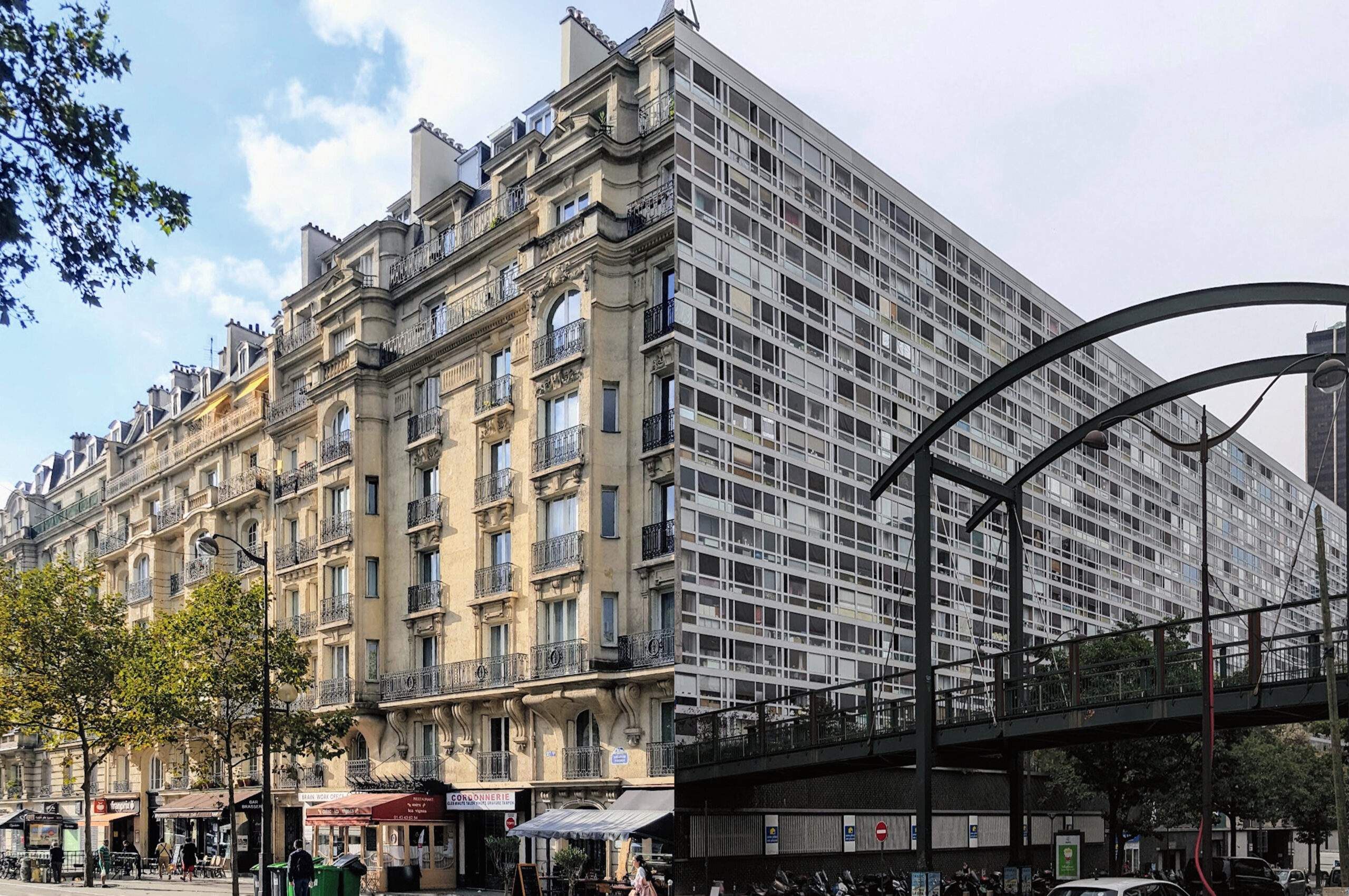
How did people come to expect that new buildings would be uglier than what came before? As we have seen, this view was not standard historically. There are two main causes. First, in the middle of the twentieth century, traditional architectural styles were superseded by modernism, characterized by lack of ornament, repetitive facade patterns, and the use of exposed steel and concrete. This style emerged in the 1920s and became dominant for everything except suburban housing in the 1950s. As noted above, this style is broadly unpopular with the public. Replacement of prewar buildings in traditional styles with postwar buildings in modernist ones will thus, to most people, constitute uglification. This is the main reason that redevelopment switched from being aesthetically neutral to being uglifying.
Second, at around the same time, mass car ownership became dominant. Unlike modernist architecture, cars are basically popular. But it is nonetheless obvious that, although individuals benefit from cars, spaces are degraded by heavy vehicle traffic. This is irrelevant to how people feel about some kinds of redevelopment, but it is worth mentioning because of how it affects views of street cuttings. A nineteenth-century boulevard was an airy, tree-lined space along which horse-drawn carriages flowed, roughly at walking speed. On the whole, people seem to have preferred them to narrow side streets, as contemporary property maps illustrate. By contrast, nobody prefers living near a modern highway, to the extent that the authorities often build sight and sound barriers around them.
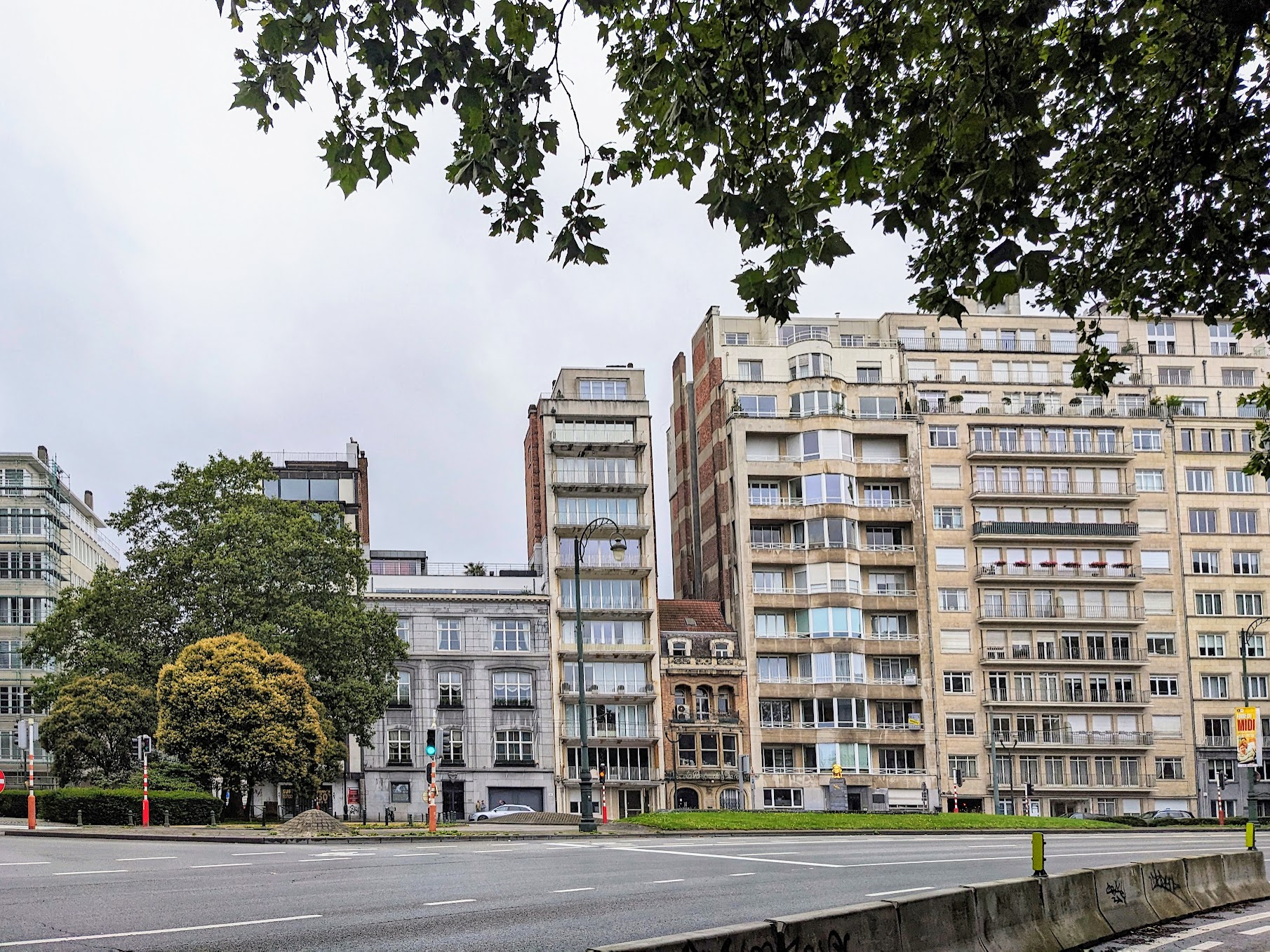
The anti-ugliness theory of conservationism lines up strikingly with the timing of events. Developers had been demolishing vast quantities of historic stock for thousands of years with barely a whisper of conservationist resistance; then, within ten or fifteen years of the ascendancy of an architectural style that the public disliked, an immense movement to halt the replacement of old buildings appeared almost from nowhere.
This theory also explains the priorities of the conservation movement. On the one hand, as noted above, conservationists have successfully protected a much wider range of pre-1914 buildings than NIMBYs have, including in city centers and other places where NIMBYs are scarce or absent. On the other hand, conservationists have been far less effective in defending postwar modernist heritage, being either indifferent to it themselves or unable to mobilize wider public support. There do exist conservation groups defending modernist architecture, like the Twentieth Century Society in Britain, and some high-profile modernist buildings have received conservation protection. But the numbers are tiny relative to prewar architecture. In England, 300 postwar buildings had been listed as of 2003, apparently growing to about 500 in 2015, out of some 375,000 listed buildings in total. The American National Register has a blanket ‘fifty year rule’, almost never including anything built within the last half century.
It also seems to me that the anti-ugliness theory is a plausible account of the emotional character of the conservation movement. It is true that many conservationists are not explicitly anti-modernist, and that today the orthodox high-status view is to support conservationism for old architecture and modernism for new ones. I suspect, however, that conservationists were appalled by uglification, but sought to avoid direct confrontation with high-status modernism by sublimating their appreciation of beauty into appreciation of heritage. Conservationists could thus promote traditional architecture without attracting charges of pastiche-mongering. In other words, many conservationists secretly love old buildings because they are beautiful, while pretending to love them because they are old.
Ugliness and the housing shortage
How much impact does conservation have on the housing shortage? The answer is complicated. Even in the European countries with the oldest build stock, only a fifth of housing dates from before 1919, while in the United States just 6 percent does. This suggests that rules protecting old buildings would do little to prevent the construction of new ones. But because historic buildings are concentrated in city centers, and because conservation systems tend to restrict what can be done in the environs of old buildings as well as within their curtilages, their effect is much greater than the raw statistics suggest. In fact, in most European cities, centers are effectively solid phalanxes of conservation designations, with new development largely displaced to inferior sites on the urban periphery.
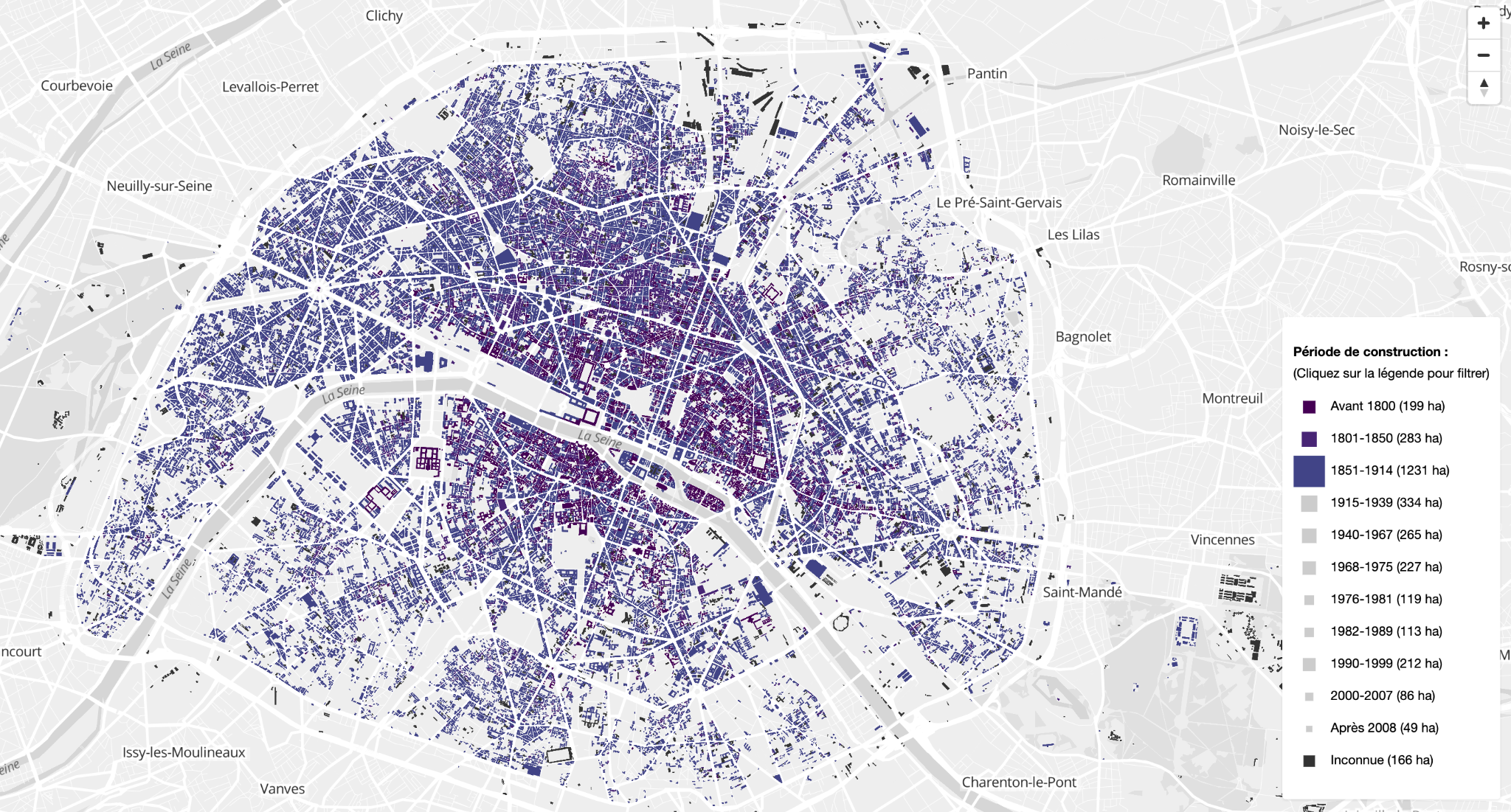
The impact of conservation in the United States is smaller, but still considerable. Manhattan, central Boston, and San Francisco are not under blanket conservation designations like Paris, Amsterdam, Madrid, or Rome. But large areas still fall under conservation protections, often exactly the areas where YIMBYs would most like to enable development. This means that conservation, and hence ugliness, still acts as a significant constraint on development, albeit a less important one than the general rise of suburban zoning.

Cogent arguments may be given for the redevelopment of historic neighborhoods. Densifying central areas of cities creates new housing where it is most needed, and where it contributes most to economic growth. It enables people to walk and cycle to work, or to rely on public transport. New buildings could be safer, better insulated, and more environmentally sustainable than their predecessors.
For most Westerners today, however, the prospect of destroying their cities’ historic neighborhoods remains a horrible one. People feel implicitly that we possess a finite stock of beautiful buildings, and that they are more or less irreplaceable. When one is destroyed, we lose forever a part of our inheritance, and condemn our children to live in a permanently uglier world.
So long as people feel this, they will never tolerate the large-scale destruction of historic building stock, no matter what ingenious arguments YIMBYs make for it. Their dread of ugliness will hang over our cities like a curse, freezing them in the last moment of their beauty. If that curse can be broken, it will not be by the arguments of economists and transport planners, but by confidence that change is not disfigurement, and that it will yield cities we can love.

Subscribe for $100 to receive six beautiful issues per year.